
What is Starboard Side on a Boat? A Comprehensive Guide
By Michael King
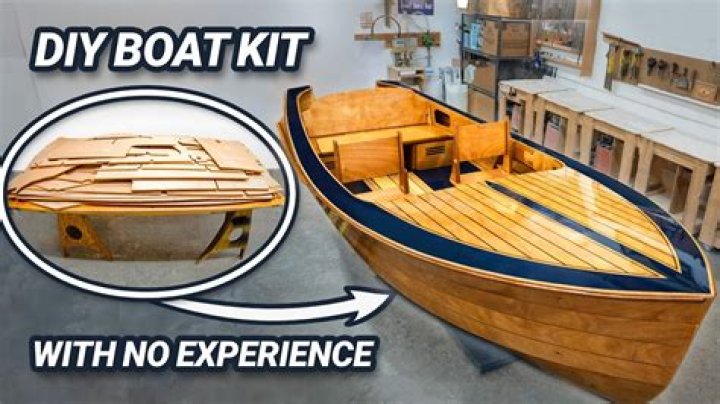
Understanding the starboard side of a boat is crucial for anyone venturing into the world of sailing or boating. Whether you're an amateur sailor or an experienced captain, knowing the basic terminology can enhance your experience and safety on the water. The starboard side refers to the right-hand side of a boat when facing the bow (the front).
Boating terminology might seem overwhelming at first, but with time, it becomes second nature. Familiarizing yourself with terms like "starboard" ensures clear communication between crew members, which is essential for smooth navigation and emergency situations.
This guide will provide an in-depth exploration of the starboard side, its significance, and how it fits into the broader context of boating. By the end of this article, you'll have a comprehensive understanding of the starboard side and its importance in navigation.
The Origin of the Term Starboard
The term "starboard" has a rich historical background that dates back to ancient maritime traditions. Derived from the Old English word "stéorbord," it means "steering side." In early sailing vessels, the steering oar was typically placed on the right side of the boat because most sailors were right-handed. Over time, this side became known as the starboard side.
Understanding the etymology of boating terms helps sailors connect with the history of their craft and appreciate the evolution of modern terminology.
Historical Significance of the Starboard Side
The starboard side has played a significant role throughout maritime history. From Viking longships to modern yachts, the starboard side has been integral to navigation and communication among sailors. Historically, the starboard side was used for docking and maneuvering, as it was easier to handle the steering oar from this position.
How to Identify the Starboard Side
Identifying the starboard side of a boat is straightforward once you understand the basic orientation. When standing on the boat and facing the bow (the front), the starboard side is always on your right. This simple rule applies universally in the boating world.
For beginners, it can be helpful to remember mnemonics like "Right is Starboard" to avoid confusion. Practice identifying the starboard side in different situations to build confidence in your boating skills.
Benefits of Knowing the Starboard Side
- Improved communication with crew members.
- Enhanced safety during navigation and docking.
- Better understanding of maritime rules and regulations.
- Increased confidence in handling emergencies.
The Role of Starboard in Navigation
In navigation, the starboard side plays a crucial role in determining the course and avoiding collisions. Nautical rules, such as the International Regulations for Preventing Collisions at Sea (COLREGS), specify how vessels should interact based on their starboard and port sides.
For example, when two vessels are approaching each other head-on, the vessel with the other vessel on its starboard side must give way. Understanding these rules ensures safe passage and minimizes the risk of accidents on the water.
Tools and Equipment Related to the Starboard Side
Modern boats are equipped with various tools and equipment that are specifically designed for the starboard side. These include navigation lights, communication systems, and safety gear. Familiarizing yourself with these tools enhances your ability to navigate effectively and respond to emergencies.
Starboard Side Lighting Regulations
Lighting regulations for the starboard side are governed by international maritime laws. According to these regulations, the starboard side of a vessel must display a green light that is visible from a distance of at least two nautical miles. This light helps other vessels identify the starboard side and determine the direction of travel.
Compliance with lighting regulations is essential for safe navigation, especially during nighttime or low-visibility conditions. Always ensure that your boat's lighting system meets the required standards.
Safety Protocols Involving the Starboard Side
Safety is paramount in boating, and the starboard side is no exception. Proper safety protocols include regular maintenance of equipment, adherence to navigation rules, and emergency preparedness. Crew members should be trained to identify potential hazards and respond swiftly in case of an emergency.
For instance, in the event of a man-overboard situation, the starboard side may be used for rescue operations due to its visibility and accessibility. Practicing emergency drills regularly ensures that everyone on board is prepared for any eventuality.
The Future of Starboard Side in Modern Boating
As technology continues to advance, the role of the starboard side in modern boating is evolving. Innovations such as automated navigation systems and advanced lighting technologies are enhancing the safety and efficiency of starboard-side operations. These advancements are making boating more accessible and enjoyable for people of all skill levels.
Common Mistakes to Avoid
Even experienced sailors can make mistakes when it comes to the starboard side. Some common errors include:
- Confusing the starboard side with the port side.
- Ignoring lighting regulations during nighttime operations.
- Overlooking safety protocols during docking or maneuvering.
- Failing to maintain equipment on the starboard side.
Avoiding these mistakes ensures a safer and more enjoyable boating experience.
Kesimpulan
In conclusion, understanding the starboard side of a boat is essential for anyone involved in boating. From its historical origins to its role in modern navigation, the starboard side plays a vital role in ensuring safe and efficient operations on the water. By familiarizing yourself with the terminology, regulations, and safety protocols, you can enhance your boating skills and confidence.
We encourage you to share this article with fellow boating enthusiasts and leave a comment below if you have any questions or insights to add. For more informative content, explore our other articles on boating and navigation.
Data sources: US Coast Guard Boating Safety Division, USCG Navigation Center, International Maritime Organization


