
What is Tcad: A Comprehensive Guide to Understanding Tcad Technology and Its Applications
By Michael Gray
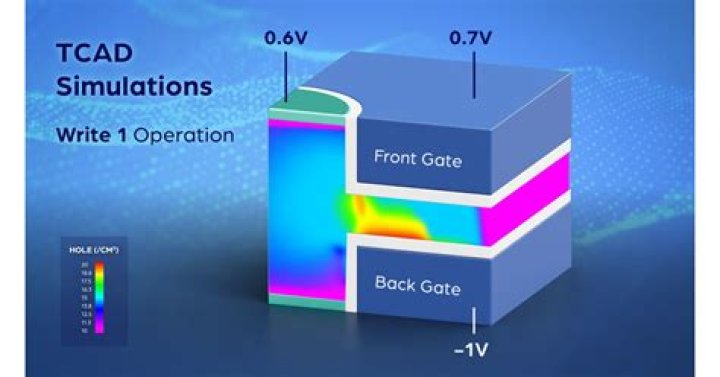
Tcad (Technology Computer-Aided Design) has become a cornerstone in the semiconductor and electronics industry. As the demand for advanced electronics continues to grow, Tcad plays an increasingly vital role in streamlining design processes and improving efficiency. In this article, we will explore the significance of Tcad, its applications, and how it contributes to the development of modern technology.
Tcad is a powerful tool that enables engineers and researchers to simulate and analyze semiconductor devices, circuits, and processes. By leveraging Tcad, companies can significantly reduce development costs and time-to-market for innovative products. This technology has revolutionized the way semiconductor devices are designed and optimized.
This article aims to provide a detailed and comprehensive overview of Tcad, covering its fundamental principles, applications, and future prospects. Whether you are an engineer, researcher, or simply curious about the technology driving modern electronics, this guide will equip you with the knowledge you need to understand Tcad and its importance.
What is Tcad?
Tcad, or Technology Computer-Aided Design, refers to the use of software tools and computational methods to simulate, analyze, and optimize the design of semiconductor devices, circuits, and manufacturing processes. This technology enables engineers to predict device behavior under various conditions, reducing the need for physical prototyping and experimentation.
Tcad is widely used in the semiconductor industry to improve the performance, reliability, and efficiency of electronic components. By providing accurate simulations of device behavior, Tcad helps companies minimize development costs and accelerate the product design cycle.
History of Tcad
The development of Tcad dates back to the mid-20th century when the semiconductor industry began to grow rapidly. Initially, engineers relied on manual calculations and simple models to design and analyze devices. However, as technology advanced, the complexity of semiconductor devices increased, necessitating more sophisticated tools.
The introduction of computational methods and software tools in the 1970s marked the beginning of modern Tcad. Over the decades, Tcad has evolved significantly, incorporating advanced algorithms, machine learning, and artificial intelligence to enhance its capabilities.
Key Components of Tcad
Tcad consists of several key components that work together to provide a comprehensive solution for semiconductor design and analysis. These components include simulation tools, modeling techniques, and data visualization capabilities.
Simulation Tools
Simulation tools are an essential part of Tcad, enabling engineers to model and analyze the behavior of semiconductor devices under various conditions. These tools can simulate parameters such as temperature, voltage, and current, providing valuable insights into device performance.
Modeling Techniques
Modeling techniques in Tcad involve creating mathematical representations of semiconductor devices and processes. These models allow engineers to predict device behavior and optimize design parameters before fabrication.
- Physical modeling: focuses on the physical properties of devices.
- Circuit modeling: simulates the electrical behavior of circuits.
- Process modeling: analyzes manufacturing processes to ensure consistency and quality.
Applications of Tcad
Tcad finds applications in various areas of the semiconductor and electronics industry. Some of the most common applications include:
- Device design and optimization
- Process development and simulation
- Reliability analysis and testing
- Failure analysis and troubleshooting
By leveraging Tcad, companies can develop innovative solutions that meet the demands of modern electronics.
Benefits of Using Tcad
Implementing Tcad offers numerous benefits for companies in the semiconductor and electronics industry. Some of the key advantages include:
- Reduced development costs
- Improved design accuracy and efficiency
- Accelerated product development cycle
- Enhanced device performance and reliability
These benefits make Tcad an indispensable tool for companies looking to stay competitive in the rapidly evolving technology landscape.
Challenges in Implementing Tcad
While Tcad offers many advantages, there are also challenges associated with its implementation. Some of the common challenges include:
- High computational requirements
- Complexity of software tools
- Training and expertise needed for effective use
Despite these challenges, the benefits of Tcad often outweigh the difficulties, making it a worthwhile investment for many organizations.
Industries Utilizing Tcad
Tcad is widely used across various industries that rely on semiconductor technology. Some of the key industries include:
- Consumer electronics
- Automotive
- Telecommunications
- Medical devices
These industries benefit from the advanced capabilities of Tcad to develop cutting-edge products and solutions.
Future Trends in Tcad
The future of Tcad looks promising, with advancements in artificial intelligence, machine learning, and quantum computing driving innovation in the field. Some of the key trends to watch for include:
- Integration of AI and ML for enhanced simulations
- Development of quantum-based Tcad tools
- Increased focus on sustainability and green technology
As technology continues to evolve, Tcad will play an increasingly important role in shaping the future of the semiconductor industry.
Popular Tcad Tools and Software
Several Tcad tools and software are available in the market, each offering unique features and capabilities. Some of the most popular Tcad tools include:
- Silvaco TCAD
- Sentaurus TCAD
- Atlas TCAD
These tools provide engineers with the resources they need to design and analyze semiconductor devices effectively.
Conclusion
Tcad has become an essential tool in the semiconductor and electronics industry, enabling engineers to design and optimize devices with greater accuracy and efficiency. By understanding the principles, applications, and future trends of Tcad, companies can leverage this technology to stay competitive in the global market.
We encourage readers to share their thoughts and experiences with Tcad in the comments section below. Additionally, feel free to explore other articles on our website for more insights into the world of technology and innovation.
Data sources: IEEE, Semiconductor Industry Association, International Technology Roadmap for Semiconductors (ITRS)


