
What is the Melting of Steel? Understanding the Science and Process Behind Steel Melting
By Mia Phillips
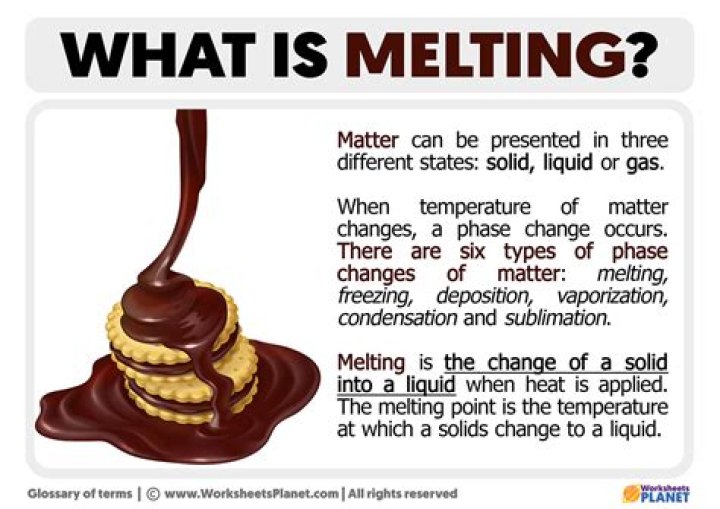
Steel melting is a fundamental process in metallurgy that transforms raw materials into one of the most versatile and widely used materials in modern construction and manufacturing. This process involves heating iron and other alloying elements to their melting points to create a molten mixture that can be cast, forged, or processed into various forms. Understanding steel melting is essential for anyone interested in engineering, construction, or materials science, as it forms the backbone of countless industries worldwide.
Steel, as we know it, is not just a single material but a family of alloys with varying compositions and properties. The melting process plays a critical role in determining the quality and performance of the final product. Whether it's for building skyscrapers, manufacturing cars, or creating household appliances, the science behind steel melting ensures that the material meets the desired specifications.
In this article, we will delve deep into the world of steel melting. From the basic principles to advanced techniques, we will explore how this process has evolved over time and its significance in today's industrial landscape. Let's begin by understanding the core concepts and terminology associated with steel melting.
Introduction to Steel Melting
Steel melting is a complex yet fascinating process that combines metallurgy, thermodynamics, and engineering to produce one of the world's most important materials. At its core, steel melting involves heating iron ore, scrap metal, and other alloying elements to their melting points, typically around 1,370°C to 1,540°C (2,500°F to 2,800°F), depending on the specific type of steel being produced.
This process is not just about heating materials; it also involves precise control over chemical compositions, impurity levels, and cooling rates to achieve the desired properties. Modern steel melting techniques have advanced significantly, enabling the production of high-quality steel with consistent performance characteristics.
Why is Steel Melting Important?
The importance of steel melting cannot be overstated. It is the foundation of modern infrastructure, enabling the construction of everything from bridges and buildings to machinery and vehicles. Steel's unique combination of strength, durability, and versatility makes it an indispensable material in countless industries.
History of Steel Melting
The history of steel melting dates back thousands of years, with early civilizations experimenting with iron and alloying techniques. The first evidence of steel production can be traced to ancient civilizations in Mesopotamia, China, and India, where rudimentary furnaces were used to smelt iron ore.
Over time, advancements in technology and metallurgy led to more efficient methods of steel melting. The Industrial Revolution marked a turning point, with the introduction of the Bessemer process in the 19th century revolutionizing steel production. Today, modern steel melting processes leverage cutting-edge technology to produce steel on an industrial scale.
Key Milestones in Steel Melting History
- 2000 BCE: Early steel production in ancient civilizations.
- 1856: Invention of the Bessemer process.
- 1900s: Development of electric arc furnaces.
- 2000s: Advances in energy-efficient melting technologies.
The Steel Melting Process
Understanding the steel melting process requires a grasp of the fundamental steps involved. These include raw material preparation, heating, refining, and casting. Each step is crucial in ensuring the quality and consistency of the final product.
Raw materials such as iron ore, scrap metal, and alloying elements are carefully measured and mixed before being introduced into the melting furnace. The furnace heats the materials to their melting points, allowing them to combine and form a molten mixture. This molten steel is then refined to remove impurities and adjust its chemical composition.
Steps in the Steel Melting Process
- Preparation of raw materials.
- Heating in the melting furnace.
- Refining the molten steel.
- Casting into molds or ingots.
Types of Steel Melting
There are several methods used for steel melting, each with its own advantages and applications. The choice of method depends on factors such as the type of steel being produced, the scale of production, and the desired properties of the final product.
Common Steel Melting Methods
- Blast Furnace: Used for producing pig iron, which is then converted into steel.
- Electric Arc Furnace (EAF): Ideal for recycling scrap metal and producing high-quality steel.
- Basic Oxygen Furnace (BOF): Efficient for large-scale steel production.
Equipment Used in Steel Melting
Steel melting requires specialized equipment designed to withstand high temperatures and handle large volumes of molten metal. Furnaces, ladles, and casting machines are some of the key components of the steel melting process.
Modern furnaces are equipped with advanced control systems that allow for precise temperature regulation and real-time monitoring of the melting process. These innovations have significantly improved the efficiency and safety of steel production.
Key Equipment in Steel Melting
- Furnaces (blast, electric arc, basic oxygen).
- Ladles for transporting molten steel.
- Casting machines for shaping the molten metal.
Melting Temperature of Steel
The melting temperature of steel varies depending on its composition and the presence of alloying elements. Pure iron melts at approximately 1,538°C (2,800°F), but the addition of carbon and other elements can lower or raise this temperature.
Understanding the melting temperature is critical for ensuring optimal melting conditions and preventing defects in the final product. Modern steel melting processes use sophisticated sensors and control systems to maintain precise temperature levels throughout the process.
Applications of Steel Melting
Steel melting has a wide range of applications across various industries. From construction and automotive manufacturing to aerospace and energy production, steel plays a vital role in modern society.
Some of the most common applications of steel melting include:
- Construction of buildings and infrastructure.
- Manufacturing of vehicles and machinery.
- Production of tools and appliances.
- Development of renewable energy technologies.
Environmental Impact of Steel Melting
While steel melting is essential for modern industries, it also has significant environmental implications. The process consumes vast amounts of energy and produces greenhouse gas emissions, contributing to climate change.
To mitigate these impacts, the steel industry is increasingly adopting sustainable practices, such as using renewable energy sources, improving energy efficiency, and recycling scrap metal. These efforts aim to reduce the carbon footprint of steel production while maintaining its quality and performance.
Key Sustainability Initiatives
- Use of renewable energy sources.
- Increased recycling of scrap metal.
- Development of carbon capture technologies.
Innovations in Steel Melting
Advancements in technology continue to drive innovation in steel melting. From smart furnaces equipped with artificial intelligence to the development of new alloy compositions, the industry is constantly evolving to meet the demands of a changing world.
These innovations not only improve the efficiency and sustainability of steel production but also enhance the properties of the final product, enabling new applications and possibilities.
Examples of Recent Innovations
- AI-driven furnace control systems.
- New alloy compositions for advanced applications.
- Energy-efficient melting technologies.
The Future of Steel Melting
The future of steel melting looks promising, with ongoing research and development focused on improving sustainability, efficiency, and performance. As the world shifts toward a more sustainable future, the steel industry will play a critical role in providing materials for green technologies and infrastructure.
Investments in research and development, coupled with global efforts to reduce carbon emissions, are paving the way for a new era of steel production. The industry is poised to continue evolving, ensuring that steel remains a cornerstone of modern civilization for generations to come.
Kesimpulan
In conclusion, steel melting is a vital process that underpins modern industries and infrastructure. From its ancient origins to the advanced techniques of today, the science and technology behind steel melting have come a long way. Understanding the principles, methods, and applications of steel melting is essential for anyone interested in materials science and engineering.
We encourage readers to explore further resources and stay updated on the latest developments in the field. Feel free to leave a comment or share this article with others who may find it informative. Together, we can continue to advance our knowledge and appreciation of this remarkable material.


