
What is the NAACP: A Comprehensive Guide to the Nation's Oldest Civil Rights Organization
By John Peck
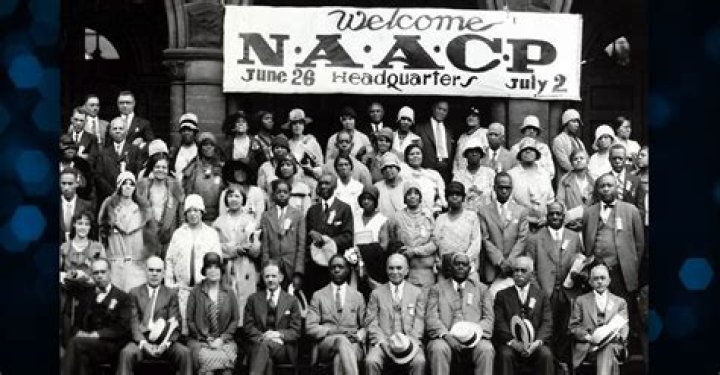
The National Association for the Advancement of Colored People (NAACP) is a cornerstone of civil rights advocacy in the United States. Established over a century ago, it has played a pivotal role in fighting racial injustice and promoting equality for African Americans and other marginalized groups. This organization continues to be a beacon of hope and change in the ongoing struggle for civil rights.
From its humble beginnings in 1909 to its current status as a globally recognized institution, the NAACP has been at the forefront of significant legal battles, social movements, and policy changes. Its mission remains steadfast: to ensure the political, educational, social, and economic equality of rights for all people and to eliminate race-based discrimination.
In this article, we will delve into the history, structure, achievements, and ongoing efforts of the NAACP. By understanding its role in shaping civil rights in America, we can appreciate the lasting impact it has had on society. Let’s explore what makes the NAACP such a vital organization in the fight for justice and equality.
The History of the NAACP
Founded on February 12, 1909, the NAACP was established in response to the horrific lynching of African Americans in Springfield, Illinois. This event, along with the broader struggles faced by African Americans during the Jim Crow era, prompted a group of white and Black activists to come together and form an organization dedicated to combating racial injustice. Initially known as the National Negro Committee, it later adopted the name National Association for the Advancement of Colored People.
Key Founding Figures
The founding of the NAACP involved prominent individuals such as W.E.B. Du Bois, Ida B. Wells, Mary White Ovington, and William English Walling. These visionaries laid the foundation for what would become one of the most influential civil rights organizations in history. W.E.B. Du Bois, in particular, played a critical role as the editor of The Crisis, the official magazine of the NAACP.
Through grassroots efforts, legal challenges, and public advocacy, the NAACP grew rapidly, establishing branches across the United States. Its early years were marked by bold actions, including organizing protests, publishing investigative reports, and advocating for federal anti-lynching laws.
Mission and Vision of the NAACP
The mission of the NAACP is to ensure the political, educational, social, and economic equality of rights for all people and to eliminate race-based discrimination. This mission is guided by a vision of a world where all individuals have equal rights and opportunities, regardless of race or ethnicity.
Core Values
- Advocacy for civil rights and social justice
- Promotion of education and economic empowerment
- Support for legislative and judicial reform
- Encouragement of community engagement and activism
The NAACP achieves its mission through a combination of advocacy, litigation, education, and community organizing. By addressing systemic issues such as voting rights, criminal justice reform, and educational equity, the organization continues to push for meaningful change.
Organizational Structure of the NAACP
The NAACP operates as a membership-based organization with a hierarchical structure that includes national, state, and local branches. This structure allows the organization to address both national and local issues effectively.
Key Components
- National Office: Located in Baltimore, Maryland, the national office oversees the overall strategy and operations of the organization.
- State Conferences: These conferences coordinate the activities of local branches within each state.
- Local Branches: There are over 2,200 local branches across the United States, each focusing on community-specific issues.
The NAACP also has a robust board of directors and executive leadership team that guides its strategic direction. This structure ensures that the organization remains responsive to the needs of its members and the communities it serves.
Key Achievements of the NAACP
Over the decades, the NAACP has achieved numerous milestones in its fight for civil rights. Some of its most notable accomplishments include:
Brown v. Board of Education
In 1954, the NAACP Legal Defense Fund successfully argued the landmark case Brown v. Board of Education, which declared racial segregation in public schools unconstitutional. This victory was a turning point in the civil rights movement and paved the way for further desegregation efforts.
Voting Rights Act of 1965
The NAACP played a crucial role in advocating for the Voting Rights Act of 1965, which eliminated barriers to voting for African Americans and other minority groups. This legislation remains a cornerstone of voting rights protection in the United States.
Challenges Faced by the NAACP
Despite its successes, the NAACP faces ongoing challenges in its mission to combat racial injustice. These challenges include:
Funding and Resources
Securing adequate funding and resources remains a constant challenge for the NAACP. As a non-profit organization, it relies heavily on donations and grants to sustain its operations.
Political Opposition
The NAACP often encounters resistance from political entities that oppose its agenda. This opposition can manifest in the form of legislative pushback, media criticism, and public discourse.
Despite these challenges, the NAACP continues to adapt and innovate, leveraging technology and partnerships to expand its reach and impact.
NAACP Programs and Initiatives
The NAACP offers a wide range of programs and initiatives aimed at addressing various social and economic issues. Some of these programs include:
Education Programs
The NAACP’s education initiatives focus on improving access to quality education for all students. This includes advocating for school funding equity, promoting STEM education, and supporting college readiness programs.
Criminal Justice Reform
Through its criminal justice reform efforts, the NAACP works to address issues such as police brutality, mass incarceration, and sentencing disparities. The organization also supports policies that promote restorative justice and rehabilitation.
Membership and Support for the NAACP
Membership is a vital component of the NAACP’s operations. Individuals can join the organization by becoming members, donating, or volunteering. Membership provides access to exclusive events, resources, and opportunities to engage in advocacy efforts.
How to Get Involved
- Become a member of a local branch
- Volunteer for community events and initiatives
- Participate in advocacy campaigns and petitions
Support from individuals, corporations, and foundations is crucial for sustaining the NAACP’s work. By contributing time, resources, and expertise, supporters can help advance the organization’s mission.
The Impact of the NAACP on Society
The impact of the NAACP on American society is profound. From its early victories in courtrooms to its ongoing efforts in communities nationwide, the organization has been a driving force for change. Its influence extends beyond the United States, inspiring civil rights movements around the world.
Legacy of Leadership
The NAACP has produced numerous leaders who have made significant contributions to civil rights and social justice. These leaders have influenced policy, inspired activism, and shaped the discourse on race relations in America.
Today, the NAACP continues to be a trusted voice in the fight for equality and justice, maintaining its relevance in an ever-changing social and political landscape.
The Future of the NAACP
Looking ahead, the NAACP remains committed to addressing the evolving challenges of the 21st century. This includes tackling issues such as climate justice, healthcare disparities, and digital equity. The organization is also focused on expanding its global reach and collaborating with international partners to promote human rights.
Innovative Strategies
To remain effective, the NAACP is embracing innovative strategies such as digital activism, data-driven advocacy, and cross-sector partnerships. These strategies enable the organization to engage a broader audience and amplify its impact.
Conclusion
In conclusion, the NAACP stands as a testament to the power of collective action and unwavering commitment to justice. From its founding in 1909 to its current status as a leading civil rights organization, the NAACP has achieved remarkable milestones and continues to inspire change.
We encourage readers to support the NAACP by becoming members, volunteering, or simply spreading awareness about its mission. Together, we can contribute to a more just and equitable society. Share this article with your network and explore other resources available on the NAACP’s website to deepen your understanding of its vital work.
For further reading, consider exploring the NAACP’s official publications, such as The Crisis, or visiting their website for the latest updates and initiatives. Remember, the fight for civil rights is ongoing, and every voice matters in this journey toward equality.


