
What Temp to Wrap a Brisket: A Comprehensive Guide to Perfect Smoked Brisket
By Sophia Edwards
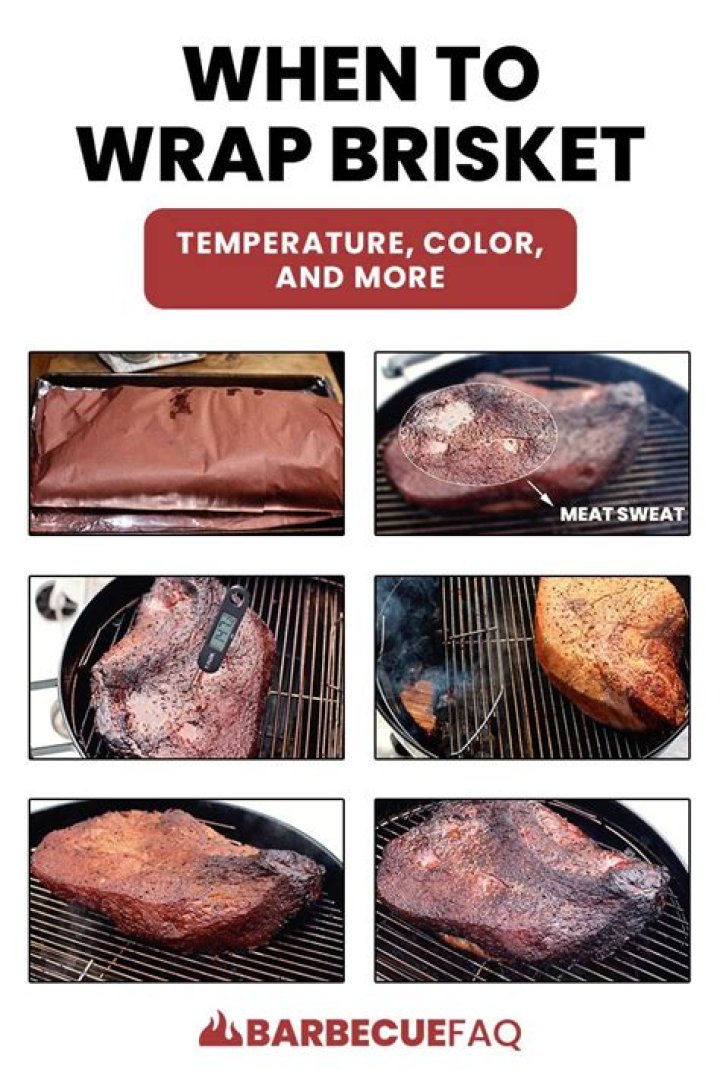
Smoking brisket is an art form, and one of the most critical decisions in this process is determining the right temperature to wrap your brisket. Wrapping a brisket at the right temperature ensures that it cooks evenly, stays juicy, and develops that delicious bark we all crave. Whether you're a seasoned pitmaster or a beginner smoker, understanding the nuances of when to wrap your brisket is essential for achieving that melt-in-your-mouth texture.
Many barbecue enthusiasts refer to this wrapping process as the "Texas crutch," a technique that involves wrapping the brisket in foil or butcher paper to help it glide through the "stall." The stall is a phase during cooking where the temperature of the meat plateaus, and moisture evaporates, potentially leading to a dry brisket if not handled correctly.
In this article, we'll explore the ideal temperature to wrap a brisket, provide tips and tricks for successful brisket smoking, and answer common questions about the process. By the end, you'll have the knowledge and confidence to smoke a brisket like a pro.
What Temp to Wrap a Brisket: An Overview
Smoking brisket is more than just throwing meat on a smoker and hoping for the best. It's a meticulous process that requires patience, precision, and a keen understanding of temperatures. One of the most debated topics in the barbecue world is what temp to wrap a brisket. Wrapping your brisket at the right temperature can make or break your final product.
Why Wrapping Matters
Wrapping a brisket serves several purposes. First, it helps the brisket push through the stall by trapping moisture and speeding up the cooking process. Second, it prevents the exterior from drying out, ensuring a tender and juicy final product. Lastly, it allows you to control the texture of the bark, giving you the flexibility to achieve your desired consistency.
Understanding the Stall in Brisket Smoking
The stall is a natural part of the smoking process where the internal temperature of the brisket stops rising. This occurs when the surface moisture begins to evaporate, cooling the meat and slowing down the cooking process. The stall typically happens between 150°F and 170°F, depending on the size and cut of the brisket.
How Long Does the Stall Last?
The length of the stall can vary, but it usually lasts between 2 to 4 hours. During this time, the brisket may not show much progress in terms of temperature increase, which can be frustrating for beginners. However, this phase is crucial for developing flavor and tenderness.
Ideal Temperature to Wrap a Brisket
So, what temp to wrap a brisket? The consensus among experienced pitmasters is to wrap your brisket when it reaches an internal temperature of around 165°F to 175°F. At this point, the brisket has developed enough bark, and wrapping it will help it glide through the stall without losing too much moisture.
Factors to Consider
- Size of the Brisket: Larger briskets may require a slightly higher wrapping temperature.
- Weather Conditions: Cold or windy weather can affect the cooking process, potentially requiring earlier wrapping.
- Smoker Type: Different smokers may have varying heat distributions, influencing the ideal wrapping temperature.
Foil vs. Butcher Paper: Which One to Use?
When it comes to wrapping brisket, you have two primary options: aluminum foil or butcher paper. Both have their advantages and disadvantages, so the choice ultimately depends on your desired outcome.
Aluminum Foil
Using foil creates a more sealed environment, trapping moisture and speeding up the cooking process. This method is ideal if you want a softer bark and a more tender brisket.
Butcher Paper
Butcher paper allows some moisture to escape while still providing protection for the brisket. This method is preferred by those who want a firmer bark with more smoky flavor.
How to Wrap a Brisket Properly
Proper wrapping technique is crucial for achieving the best results. Follow these steps to ensure your brisket is wrapped correctly:
Step-by-Step Guide
- Check the Temperature: Use a meat thermometer to ensure the brisket has reached the ideal wrapping temperature.
- Prepare the Wrapping Material: Cut a piece of foil or butcher paper large enough to fully cover the brisket.
- Wrap the Brisket: Place the brisket on the wrapping material and fold it securely around the meat, ensuring no gaps.
- Return to the Smoker: Place the wrapped brisket back on the smoker and continue cooking until it reaches your desired internal temperature.
The Importance of Resting Your Brisket
After cooking, it's essential to let your brisket rest before slicing. Resting allows the juices to redistribute throughout the meat, resulting in a juicier and more flavorful brisket. Aim to let the brisket rest for at least 30 minutes to an hour, depending on its size.
Tips for Resting
- Place the brisket in a cooler or insulated container to maintain its temperature during the resting period.
- Avoid unwrapping the brisket during the resting phase to prevent moisture loss.
Common Mistakes to Avoid
Even experienced pitmasters can make mistakes when smoking brisket. Here are some common pitfalls to watch out for:
Mistakes to Avoid
- Wrapping Too Early: Wrapping before the brisket develops enough bark can result in a soggy exterior.
- Wrapping Too Late: Delaying the wrapping process can lead to a dry brisket due to prolonged exposure to heat.
- Not Monitoring Temperatures: Failing to regularly check the internal temperature of the brisket can result in overcooked or undercooked meat.
Expert Tips for Smoking Brisket
Here are some additional tips from seasoned pitmasters to help you achieve the perfect smoked brisket:
Pro Tips
- Use a high-quality smoker with consistent heat distribution for the best results.
- Inject the brisket with a flavorful marinade before smoking to enhance its taste.
- Trim excess fat from the brisket to ensure even cooking and better bark development.
Variations in Wrapping Techniques
While the traditional method of wrapping at 165°F to 175°F works well for most briskets, some pitmasters prefer alternative techniques. For example, some wrap at a lower temperature to preserve more bark, while others wait until the brisket reaches 190°F for a more tender finish.
Experimenting with Techniques
Don't be afraid to experiment with different wrapping temperatures and materials to find what works best for your taste preferences. Keep detailed notes of each cooking session to refine your technique over time.
Conclusion and Final Thoughts
Smoking a brisket is a rewarding experience that requires attention to detail and a willingness to learn. By understanding what temp to wrap a brisket and implementing proper wrapping techniques, you can achieve a delicious, tender brisket every time.
Remember to monitor temperatures closely, choose the right wrapping material for your desired outcome, and give your brisket ample time to rest. With practice and patience, you'll master the art of smoking brisket and impress your friends and family with your culinary skills.
Call to Action: Share your brisket-smoking experiences in the comments below, and don't forget to explore our other articles for more barbecue tips and tricks!


