
What Temperature is Medium Rare for Steak? A Comprehensive Guide
By Emma Valentine
Steak is one of the most popular cuts of meat worldwide, and cooking it to perfection is an art that requires understanding the ideal temperature for each level of doneness. For steak enthusiasts, knowing what temperature is medium rare is essential to achieving that perfect balance of flavor, tenderness, and juiciness. Whether you're a beginner or a seasoned chef, this guide will help you master the art of medium-rare steak cooking.
Cooking steak to medium rare is not just about preference; it’s about science. The internal temperature of the steak plays a crucial role in determining its texture and flavor. Understanding the ideal temperature for medium-rare steak can elevate your dining experience, whether you're cooking at home or dining out.
This article will delve into the specifics of medium-rare steak temperatures, provide tips for achieving the perfect doneness, and offer insights into the science behind cooking steak. By the end, you'll have a comprehensive understanding of what temperature is medium rare for steak and how to achieve it consistently.
Understanding Medium Rare Steak
Definition of Medium Rare
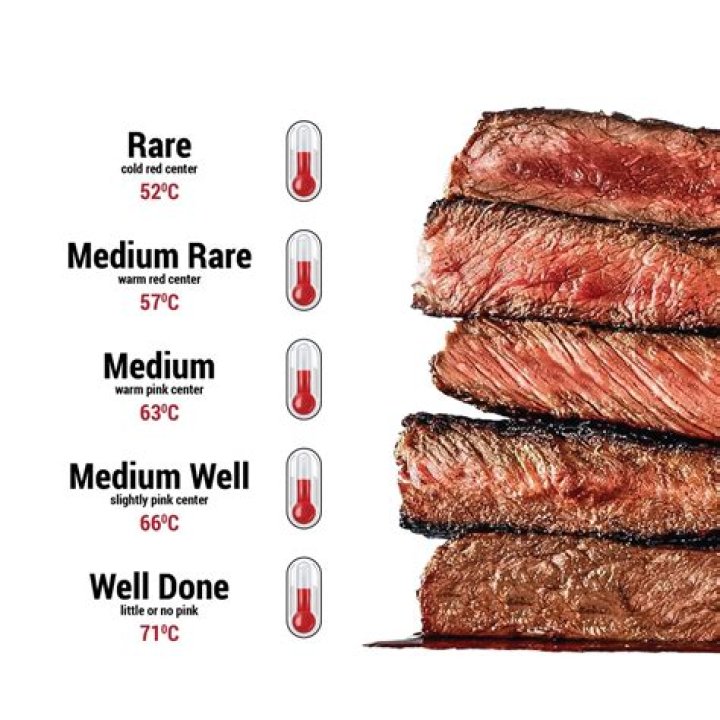
Medium rare steak is a level of doneness where the steak is seared on the outside but still retains a pink center. This level of cooking is preferred by many because it preserves the juiciness and flavor of the meat while ensuring it’s cooked enough to be safe to eat.
Why Medium Rare is Popular
Medium rare steak is favored by many due to its tenderness and flavor profile. At this level of doneness, the steak is cooked to an internal temperature that allows the muscle fibers to relax, resulting in a more tender texture. Additionally, the pink center retains more moisture, making the steak juicier and more flavorful.
What Temperature is Medium Rare?
The ideal internal temperature for medium-rare steak is between 130°F and 135°F (54°C to 57°C). This range ensures that the steak is cooked enough to be safe while preserving its tenderness and juiciness. It’s important to note that the temperature will continue to rise slightly after removing the steak from the heat source due to carryover cooking.
Cooking Methods for Medium Rare Steak
Pan-Seared Steak
Pan-searing is one of the most popular methods for cooking steak. It involves cooking the steak in a hot pan with oil or butter until it develops a crust on the outside while remaining pink on the inside. To achieve medium rare, cook the steak for about 3-4 minutes on each side, depending on its thickness.
Grilling Steak
Grilling is another excellent method for cooking steak to medium rare. The high heat of the grill sears the outside of the steak while allowing the inside to remain pink. Use a meat thermometer to ensure the internal temperature reaches the desired range.
Tools You Need for Perfect Doneness
To achieve the perfect medium-rare steak, you’ll need a few essential tools:
- Meat Thermometer: Essential for measuring the internal temperature of the steak.
- Cast Iron Pan: Ideal for pan-searing steak due to its ability to retain high heat.
- Tongs: Use tongs to flip the steak without piercing it, which can cause juices to escape.
- Resting Plate: Allow the steak to rest for a few minutes after cooking to redistribute the juices.
Tips for Achieving Medium Rare
Let the Steak Rest
After cooking, let the steak rest for about 5 minutes. This allows the juices to redistribute throughout the meat, ensuring it remains juicy and flavorful.
Use a Meat Thermometer
A meat thermometer is the most reliable way to ensure your steak reaches the ideal temperature for medium rare. Insert the thermometer into the thickest part of the steak, avoiding any bones or fat.
Common Mistakes to Avoid
Here are some common mistakes to avoid when cooking medium-rare steak:
- Cooking the steak too quickly, which can result in an uneven doneness.
- Not letting the steak rest, which can cause juices to escape and result in a dry steak.
- Overcooking the steak, which can lead to a loss of tenderness and flavor.
The Science Behind Cooking Steak
Cooking steak involves a complex series of chemical reactions. As the steak heats up, the proteins begin to denature, causing the meat to firm up and change color. At medium rare, the proteins have denatured enough to create a tender texture while still retaining moisture. The Maillard reaction, which occurs at high temperatures, is responsible for the flavorful crust that develops on the outside of the steak.
Nutritional Benefits of Medium Rare Steak
Cooking steak to medium rare not only enhances its flavor and texture but also preserves its nutritional value. Steak is an excellent source of high-quality protein, iron, and essential vitamins like B12. Cooking it to medium rare ensures that these nutrients are retained, making it a healthy addition to your diet.
Frequently Asked Questions
How Long Should I Cook Steak for Medium Rare?
The cooking time for medium rare steak depends on its thickness and the cooking method. As a general guideline, cook the steak for about 3-4 minutes on each side for a 1-inch thick steak.
Can I Cook Steak to Medium Rare in the Oven?
Yes, you can cook steak to medium rare in the oven. Preheat the oven to 400°F (200°C) and sear the steak in a hot pan before transferring it to the oven. Cook until the internal temperature reaches 130°F to 135°F.
Conclusion
Cooking steak to medium rare is an art that requires understanding the ideal temperature and using the right techniques. By following the tips and methods outlined in this guide, you can achieve perfectly cooked medium-rare steak every time. Remember to use a meat thermometer, let the steak rest, and avoid common mistakes to ensure the best results.
We invite you to share your thoughts and experiences in the comments section below. If you enjoyed this article, please share it with your friends and family. For more insights into cooking and food, explore our other articles on the site.
Data Source: FDA Guidelines on Safe Cooking Temperatures


