
When Did Cell Phones Become Available to the Public? A Comprehensive Timeline
By Sarah Rowe
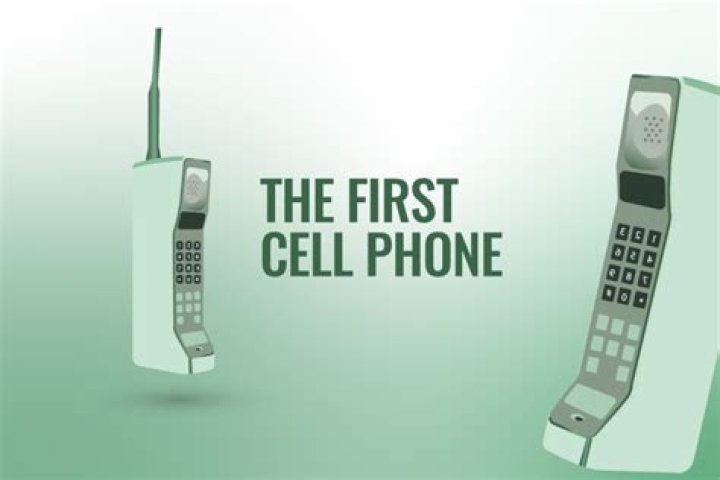
The evolution of cell phones is one of the most significant technological advancements in modern history. When did cell phones become available to the public? This question has intrigued many, as it marks the beginning of a communication revolution that has transformed the way we live, work, and interact. In this article, we will explore the timeline, key milestones, and the impact of mobile phones on society.
The introduction of cell phones to the public was not an overnight phenomenon. It involved decades of research, development, and innovation. From bulky devices to sleek smartphones, the journey of mobile technology has been nothing short of remarkable. Understanding the timeline of when cell phones became available to the public provides valuable insights into the rapid evolution of telecommunications.
This article will delve into the history of cell phones, highlighting key events, technological breakthroughs, and the societal impact of mobile communication. By the end, you will have a comprehensive understanding of how cell phones transitioned from a luxury to an essential part of daily life.
The History of Cell Phones
The history of cell phones dates back to the early 20th century when the concept of wireless communication began to take shape. Inventors like Alexander Graham Bell and Guglielmo Marconi laid the groundwork for wireless communication, which eventually led to the development of mobile phones.
Key Milestones in Cell Phone Development
Here are some key milestones in the history of cell phones:
- 1947: Bell Labs introduced the concept of cellular communication, dividing coverage areas into small "cells."
- 1983: Motorola released the DynaTAC 8000X, the first commercially available handheld mobile phone.
- 1992: IBM introduced the Simon Personal Communicator, considered the first smartphone.
- 2007: Apple launched the iPhone, revolutionizing the smartphone industry.
These milestones highlight the rapid evolution of mobile technology, transforming it from a niche product to a global phenomenon.
When Did the First Cell Phone Become Available to the Public?
The first commercially available cell phone, the Motorola DynaTAC 8000X, was introduced to the public in April 1983. This groundbreaking device marked the beginning of the mobile phone era. Costing nearly $4,000 at the time, it was a luxury item that only a few could afford.
Characteristics of the Motorola DynaTAC 8000X
- Weight: 1.1 kg (2.5 lbs)
- Battery Life: 30 minutes of talk time
- Features: Basic calling functionality with a numeric keypad
Despite its limitations, the Motorola DynaTAC 8000X paved the way for future innovations in mobile communication.
Who Were the Early Adopters of Cell Phones?
Early adopters of cell phones were primarily affluent individuals, business professionals, and tech enthusiasts who recognized the potential of mobile communication. These pioneers embraced the technology despite its high cost and limited functionality.
Factors Influencing Early Adoption
- High income levels allowed early adopters to afford expensive devices.
- Business professionals saw the value of staying connected while on the go.
- Tech enthusiasts were fascinated by the novelty and innovation of mobile phones.
As technology advanced and prices decreased, cell phones gradually became accessible to a wider audience.
Key Technological Advancements in Cell Phones
The evolution of cell phones has been driven by numerous technological advancements. From analog to digital, and from basic calling features to multifunctional smartphones, the progress has been remarkable.
Major Innovations in Cell Phone Technology
- 1G Networks: Introduced in the 1980s, these analog networks enabled basic voice calls.
- 2G Networks: Launched in the 1990s, 2G networks introduced digital communication, SMS, and basic data services.
- 3G Networks: In the early 2000s, 3G networks provided faster data speeds and supported multimedia applications.
- 4G Networks: Introduced in the 2010s, 4G networks offered high-speed internet and supported advanced applications.
- 5G Networks: The latest advancement, 5G networks promise even faster speeds and lower latency.
These innovations have transformed cell phones into powerful tools for communication, entertainment, and productivity.
How Cell Phone Usage Evolved Over Time
Cell phone usage has evolved significantly over the years. Initially, mobile phones were used primarily for voice calls. However, as technology advanced, users began to explore new features such as texting, internet browsing, and mobile applications.
Changing Patterns of Cell Phone Usage
- 1990s: Voice calls and SMS were the primary functions.
- 2000s: Internet browsing and multimedia features gained popularity.
- 2010s: Smartphones became the norm, with apps dominating user behavior.
- 2020s: 5G networks and AI-driven features are reshaping the mobile experience.
Today, cell phones are integral to daily life, serving as communication devices, entertainment hubs, and productivity tools.
The Societal Impact of Cell Phones
The widespread adoption of cell phones has had a profound impact on society. From improving communication to influencing social interactions, mobile technology has reshaped the way we live.
Positive Impacts of Cell Phones
- Enhanced connectivity: Cell phones enable people to stay connected with loved ones and colleagues.
- Increased productivity: Mobile devices facilitate work and learning through instant access to information.
- Improved access to services: Cell phones provide access to banking, healthcare, and education in remote areas.
Challenges Posed by Cell Phones
- Dependency: Excessive use of cell phones can lead to addiction and reduced face-to-face interactions.
- Privacy concerns: Data breaches and surveillance issues raise concerns about user privacy.
- Health risks: Prolonged use of cell phones may contribute to physical and mental health issues.
While cell phones offer numerous benefits, it is essential to address the challenges they pose to ensure responsible usage.
Global Adoption of Cell Phones
The global adoption of cell phones has been remarkable, with billions of users worldwide. Developing countries have seen significant growth in mobile phone usage, driven by affordable devices and expanding network coverage.
Statistics on Global Cell Phone Usage
- As of 2023, there are over 8 billion mobile phone subscriptions globally.
- Smartphone penetration has reached 80% in many developed countries.
- Emerging markets are experiencing rapid growth in mobile phone adoption.
These statistics highlight the widespread impact of mobile technology across the globe.
Future Trends in Cell Phone Technology
The future of cell phone technology looks promising, with advancements in areas such as artificial intelligence, augmented reality, and sustainability. Manufacturers are focusing on creating devices that are more efficient, eco-friendly, and user-friendly.
Emerging Trends in Cell Phones
- Foldable screens: Offering versatile form factors for enhanced usability.
- Sustainable materials: Reducing the environmental impact of mobile devices.
- AI integration: Enhancing user experiences through intelligent features.
As technology continues to evolve, cell phones will remain at the forefront of innovation, shaping the future of communication.
Conclusion: The Legacy of Cell Phones
In conclusion, the question "when did cell phones become available to the public?" marks the beginning of a transformative era in communication. From the Motorola DynaTAC 8000X to the latest smartphones, mobile technology has revolutionized the way we live, work, and interact.
As we look to the future, it is clear that cell phones will continue to play a pivotal role in shaping our world. We encourage readers to share their thoughts and experiences in the comments section below. Additionally, explore other articles on our site to learn more about the latest trends in technology.
Frequently Asked Questions
1. What was the first cell phone?
The first commercially available cell phone was the Motorola DynaTAC 8000X, introduced in 1983.
2. How much did the first cell phone cost?
The Motorola DynaTAC 8000X cost nearly $4,000 when it was released in 1983.
3. Who invented the cell phone?
Martin Cooper, an engineer at Motorola, is credited with inventing the first handheld mobile phone.
4. What is the difference between 4G and 5G networks?
5G networks offer faster speeds, lower latency, and greater capacity compared to 4G networks.
5. How has cell phone usage changed over time?
Cell phone usage has evolved from basic voice calls to multifunctional devices supporting internet browsing, apps, and AI-driven features.

![Decoding Movie Rules: Understanding & Enjoying Films | [Movierulz] & Beyond](https://silver.isevcloud.co.uk/uploads/3-movierulz-brings-the-latest-hollywood-movierulz-news-3movierulz-also-brings-movie-news-tv-news-trailers-reviews-movierulz-articles-in-south-ind-movies-are-more-than-just-a-form-of-entertainment-they-are-a-reflection-of-culture-storytelling-and-human-emotions-understanding-the-rules-that-govern-films-can-enhance-your-viewing-experience-and-provide-deeper-insights-into-the-narratives-presented-in-this-article-we-will-explore-the-five-essential-movie-rules-that-every-cinephile-should-know-before-movierulz-2025-latest-hd-telugu-kannada-tamil-south-indian-movies-web-series-shows-kdramas-watch-at-high-quality-on-movierulz-tv-this-page-is-intended-to-document-significant-changes-to-the-movie-rules-over-the-course-of-the-site-u2019s-history-this-is-far-from-a-complete-list-with-emphasis-being-placed-on-more-recent-rule-changes-standard-goals-based-on-di-u2026-understanding-movierules-is-essential-for-filmmakers-producers-and-even-audiences-these-regulations-impact-everything-from-the-production-phase-to-distribution-and-viewership-by-adhering-to-these-rules-filmmakers-can-navigate-the-complex-landscape-of-content-creation-ensuring-their-work-is-both-legally-compliant-and-culturally-sensitive-movie-show-times-schedules-and-tickets-in-los-angeles-long-beach-anaheim-santa-ana-irvine-burbank-lakewood-santa-monica-fountain-valley-orange-pasadena-ca-when-it-comes-to-enjoying-films-understanding-the-core-principles-that-govern-cinematic-storytelling-can-elevate-your-viewing-experience-significantly-the-5-movie-rules-com-framework-offers-a-set-of-guidelines-designed-to-help-both-filmmakers-and-audiences-appreciate-the-intricacies-of-modern-cinema-in-this-article-we-will-explore-these-five-essential-rules-and-this-combination-of-comfort-variety-and-free-access-makes-movierulz-profoundly-attractive-especially-for-viewers-on-a-tight-budget-the-dark-side-of-piracy-we-would-like-to-show-you-a-description-here-but-the-site-won-u2019t-allow-us-movierulz-com-movierulz-latest-bollywood-and-hollywood-movies-watch-online-full-free-movierulz-is-wide-range-collection-of-telugu-movies-tamil-malayalam-bengali-kannada-movierulz-movierulz-provide-a-wide-range-of-telugu-movies-tamil-malayalam-and-hindi-movies-watch-full-telugu-movies-online-anytime-anywhere-on-zee5-also-explore-41-telugu-movies-online-in-full-hd-from-our-latest-telugu-movies-collection-movies-are-more-than-just-a-form-of-entertainment-they-are-a-reflection-of-culture-storytelling-and-human-emotions-understanding-the-rules-that-govern-films-can-enhance-your-viewing-experience-and-provide-deeper-insights-into-the-narratives-presented-in-this-article-we-will-explore-the-five-essential-movie-rules-that-every-cinephile-should-know-before-movierulz-latest-featured-telugu-movies-watch-online-download-full-free-collection-of-bollywood-movies-tamil-malayalam-dubbed-kannada-5movierulz-movierulz-is-a-piracy-website-that-leaks-the-tamil-telugu-kannada-hindi-movies-and-allows-users-to-download-movies-in-free-check-out-the-latest-news-and-updates-on-meta-movierulz-here-enjoy-watching-new-telugu-movies-release-of-2025-experience-the-latest-and-new-south-indian-movies-on-your-mobile-device_720.jpg)

