
When Did Cell Phones Become Popular in the United States?
By Matthew Harrington
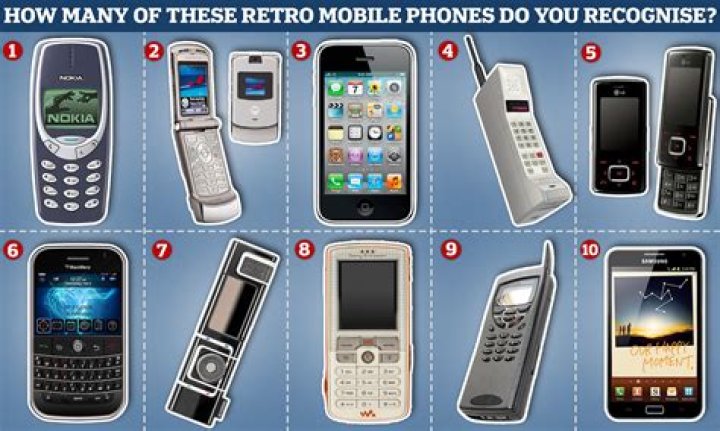
Cell phones have become an integral part of modern life in the United States. They are no longer just tools for communication but have evolved into multifunctional devices that shape how we interact with the world. But when did cell phones become popular in the United States? This question takes us back to a fascinating journey through technological advancements and societal transformations.
The rise of cell phones in America is a story of innovation, adoption, and cultural integration. From the bulky, expensive devices of the 1980s to the sleek, affordable smartphones we use today, the evolution of mobile technology has been nothing short of revolutionary. Understanding this timeline provides valuable insights into how these devices became indispensable in our daily lives.
In this article, we will explore the history of cell phones in the United States, the factors that contributed to their popularity, and the impact they have had on society. Whether you're a tech enthusiast or simply curious about the evolution of mobile communication, this article will provide a comprehensive overview of this transformative journey.
The Early Days of Cell Phones
The concept of mobile communication dates back to the early 20th century. However, the first practical mobile phone was developed in the 1940s by Motorola. These early devices were large, heavy, and primarily used by military personnel and emergency services. It wasn't until the 1980s that cell phones began to enter the consumer market.
The early cell phones were far from the sleek devices we know today. They were bulky, expensive, and had limited functionality. Despite these limitations, they marked the beginning of a new era in personal communication. The introduction of the Motorola DynaTAC 8000X in 1983 was a significant milestone in this journey.
The First Commercial Cell Phone
The Motorola DynaTAC 8000X, launched in 1983, is widely regarded as the first commercially available mobile phone. It was a groundbreaking device that weighed approximately 2 pounds and cost around $3,995. While it was expensive and had limited battery life, it symbolized the dawn of mobile communication for the masses.
This device was a status symbol for the wealthy and tech-savvy individuals who could afford it. It paved the way for further innovation and eventual affordability, making cell phones accessible to a broader audience.
Timeline of Cell Phone Adoption
The adoption of cell phones in the United States followed a gradual but steady trajectory. Here's a brief timeline of key milestones:
- 1983: Launch of the Motorola DynaTAC 8000X
- 1990s: Introduction of flip phones and the rise of prepaid plans
- 2000s: Explosion of feature phones and the advent of texting
- 2007: Introduction of the iPhone, marking the beginning of the smartphone era
Each decade brought significant advancements, making cell phones more affordable, functional, and accessible to the average consumer.
Factors Contributing to Cell Phone Popularity
Several factors contributed to the widespread popularity of cell phones in the United States:
Marketing Strategies
Aggressive marketing campaigns played a crucial role in promoting cell phones to the masses. Telecommunication companies invested heavily in advertising, highlighting the convenience and status associated with owning a mobile device. Celebrity endorsements and innovative advertising techniques helped create a strong brand image.
Technological Advancements
Technological innovations were instrumental in driving cell phone adoption. From improvements in battery life and signal strength to the development of user-friendly interfaces, these advancements made cell phones more practical and appealing to consumers. The introduction of smartphones further accelerated this trend by integrating internet access, apps, and multimedia capabilities.
Impact on Society
The rise of cell phones has had a profound impact on American society. It has transformed the way people communicate, access information, and conduct business. Here are some key areas of influence:
Changes in Communication
Cell phones have revolutionized communication by enabling instant connectivity. Text messaging, voice calls, and video conferencing have become commonplace, allowing people to stay connected regardless of geographical barriers. Social media platforms and messaging apps have further enhanced this connectivity, fostering global interactions.
Economic Impact
The cell phone industry has become a significant contributor to the U.S. economy. It has created millions of jobs, generated substantial revenue, and spurred innovation in related sectors. The proliferation of mobile commerce and digital payments has also transformed the retail landscape, making transactions faster and more convenient.
Statistics and Data
Data from reputable sources highlights the exponential growth of cell phone usage in the United States:
- As of 2023, over 97% of Americans own a cell phone, with 85% owning a smartphone.
- Average daily screen time for cell phone users is approximately 3.5 hours.
- The global mobile phone market is projected to reach $1.5 trillion by 2025.
These statistics underscore the immense popularity and significance of cell phones in contemporary society.
Challenges and Concerns
Despite their numerous benefits, cell phones also pose challenges and concerns. Issues such as privacy violations, digital addiction, and the environmental impact of electronic waste have sparked debates and prompted calls for responsible usage. Policymakers and industry leaders are actively addressing these challenges to ensure a balanced and sustainable future for mobile technology.
Current Trends and Future Outlook
As of 2023, the cell phone industry continues to evolve with cutting-edge innovations. The adoption of 5G technology, foldable screens, and augmented reality features are shaping the next generation of mobile devices. Additionally, the integration of artificial intelligence and machine learning is enhancing user experiences and expanding the capabilities of smartphones.
Looking ahead, the future of cell phones in the United States appears promising. Continued advancements in technology and increasing global connectivity will likely drive further adoption and innovation, ensuring that mobile devices remain at the forefront of modern life.
Conclusion
The popularity of cell phones in the United States is a testament to their transformative impact on society. From their humble beginnings as bulky communication tools to their current status as indispensable digital companions, cell phones have redefined how we interact with the world. Understanding the historical context, technological advancements, and societal implications of this journey provides valuable insights into the enduring appeal of mobile technology.
We encourage you to share your thoughts and experiences in the comments section below. For more fascinating articles on technology and innovation, explore our other content and stay updated on the latest trends shaping our world. Together, let's embrace the future of mobile communication and all it has to offer!


