
When Does Romeo and Juliet Take Place? A Comprehensive Exploration of the Time and Setting
By Michael Gray
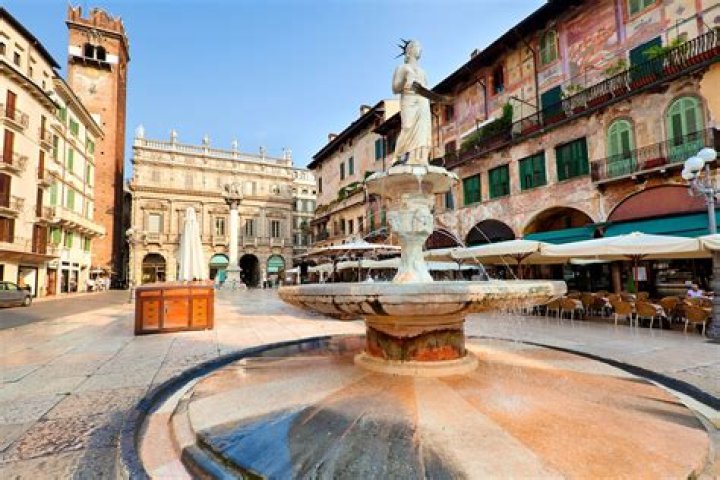
One of the most iconic love stories in history, "Romeo and Juliet" by William Shakespeare, continues to captivate audiences worldwide. But when does Romeo and Juliet take place? Understanding the time and setting of this tragic tale is crucial to appreciating its depth and historical context. This article dives into the timeline, location, and cultural backdrop of the play, offering a thorough analysis for literature enthusiasts and students alike.
Set against the backdrop of Renaissance Italy, "Romeo and Juliet" is not just a love story but a reflection of the societal norms and tensions of its era. The play's setting plays a pivotal role in shaping its characters and plot, making it an essential element to explore.
By examining the historical period, geographical location, and cultural nuances, we can gain a deeper understanding of the circumstances that drive the tragic fate of the star-crossed lovers. This article aims to provide a comprehensive overview of when and where Romeo and Juliet takes place, supported by credible sources and scholarly insights.
Historical Context of Romeo and Juliet
William Shakespeare wrote "Romeo and Juliet" during the late 16th century, a period known as the English Renaissance. This era was marked by a renewed interest in classical art, literature, and philosophy, as well as significant social and political changes. Shakespeare's works often mirrored the cultural and historical events of his time, and "Romeo and Juliet" is no exception.
The play is set in the late 13th or early 14th century, a time when Italy was a patchwork of independent city-states. The feudal system was declining, and urban centers like Verona were emerging as centers of commerce, culture, and conflict. This historical backdrop adds depth to the Capulet-Montague feud, reflecting the political rivalries and social tensions of the period.
According to historical records and scholarly analyses, Shakespeare drew inspiration from earlier Italian tales and poems, such as "Giulietta e Romeo" by Luigi da Porto. These sources provided the framework for the tragic love story, but Shakespeare infused it with his unique style and thematic depth.
Overview of the Setting
The setting of "Romeo and Juliet" is as important as its characters and plot. It serves as a canvas for the unfolding drama and influences the behavior and decisions of the protagonists. The play is primarily set in Verona, a city in northern Italy, but also includes brief scenes in Mantua.
Verona, with its vibrant streets, bustling markets, and grand palaces, represents the heart of the action. The city's architecture, climate, and social dynamics are intricately woven into the narrative, creating a vivid picture of Renaissance Italy. Meanwhile, Mantua, a quieter and more isolated town, provides a stark contrast to the chaos of Verona, highlighting the isolation and despair of the characters.
By choosing these specific locations, Shakespeare emphasizes the themes of conflict, exile, and reconciliation, which are central to the story.
When Does Romeo and Juliet Take Place?
One of the most frequently asked questions about "Romeo and Juliet" is: when does it take place? The play is set in the late 13th or early 14th century, a period known for its political instability and social upheaval. This timeframe aligns with the historical context of the Italian city-states and the cultural milieu of the Renaissance.
Shakespeare does not explicitly state the exact year, but clues within the text suggest a medieval setting. For instance, the use of swords, the mention of friars, and the emphasis on family honor all point to a time before the modern era. This ambiguity allows readers and audiences to focus on the universal themes of love, fate, and tragedy rather than being distracted by specific historical details.
Moreover, the timelessness of the story ensures its relevance across generations, making it a timeless classic that resonates with audiences of all ages.
Location of the Play
The primary location of "Romeo and Juliet" is Verona, a city renowned for its rich history and cultural heritage. Verona's strategic position in northern Italy made it a hub of trade and diplomacy during the Renaissance, attracting merchants, artists, and scholars from across Europe.
Within Verona, the play explores various settings, including the Capulet's mansion, the Montague's residence, the public square, and the Capulet's tomb. Each location serves a specific purpose in the narrative, contributing to the emotional and dramatic tension of the story.
In addition to Verona, Mantua plays a crucial role in the second half of the play. Romeo's exile to Mantua underscores his separation from Juliet and highlights the theme of isolation. The contrast between the bustling streets of Verona and the quieter, more contemplative atmosphere of Mantua adds depth to the characters' internal struggles.
Cultural Influences in the Play
The cultural influences in "Romeo and Juliet" are deeply rooted in the traditions and customs of Renaissance Italy. The play reflects the societal norms of the period, such as arranged marriages, family honor, and the role of religion in daily life.
One of the most prominent cultural elements is the concept of "star-crossed lovers," a term that emphasizes the influence of fate and destiny on the characters' lives. This idea was prevalent in medieval and Renaissance literature, where love was often seen as a force beyond human control.
Moreover, the play explores the tension between individual desires and societal expectations, a theme that continues to resonate with modern audiences. Through the characters of Romeo and Juliet, Shakespeare critiques the rigid social structures of his time, advocating for personal freedom and emotional authenticity.
Sub-settings Within the Play
Verona: The Main Setting
Verona serves as the primary setting for most of the play's action. The city's vibrant atmosphere and diverse population create a dynamic backdrop for the unfolding drama. Key locations within Verona include:
- The Capulet's mansion, where Juliet resides and the famous balcony scene takes place.
- The Montague's residence, representing Romeo's home and family ties.
- The public square, where the initial conflict between the Capulets and Montagues erupts.
- The Capulet's tomb, the final resting place of the tragic lovers.
Each of these locations contributes to the play's emotional intensity and symbolic meaning, reflecting the themes of love, conflict, and mortality.
Mantua: A Secondary Location
Mantua, a smaller and quieter town, serves as Romeo's place of exile after he is banished from Verona. This setting highlights the theme of isolation and underscores Romeo's despair at being separated from Juliet. Mantua's serene environment contrasts sharply with the chaos of Verona, emphasizing the emotional distance between the lovers.
The inclusion of Mantua in the play also serves a practical purpose, providing a space for the unfolding of the tragic events that lead to the lovers' deaths. It symbolizes the inevitability of fate and the futility of resistance against societal pressures.
Symbolism of the Time and Place
The time and place of "Romeo and Juliet" are rich with symbolic meaning. The medieval setting, with its emphasis on chivalry and honor, reflects the characters' adherence to traditional values while simultaneously questioning their validity. The city of Verona, with its bustling streets and grand architecture, symbolizes the complexity and contradictions of human society.
Furthermore, the use of natural elements such as light, darkness, and weather adds depth to the symbolic framework of the play. For example, the famous balcony scene takes place under the light of the moon, symbolizing the purity and transcendence of true love. Conversely, the dark and stormy night of the final act represents the looming tragedy and the characters' inability to escape their fate.
These symbols reinforce the universal themes of the play, making it accessible and relevant to audiences across cultures and generations.
Historical Accuracy of the Setting
While "Romeo and Juliet" is set in a historical context, Shakespeare took creative liberties with the details to enhance the dramatic impact of the story. The play's setting in Verona and Mantua is historically accurate, as these cities were significant centers of power and culture during the Renaissance. However, the specific events and characters are fictional, inspired by earlier Italian tales.
Scholars have debated the historical accuracy of the play, pointing out discrepancies between the text and historical records. For instance, the Capulet-Montague feud is not documented in historical sources, suggesting that it was a literary device rather than a factual event. Nonetheless, the play's portrayal of Renaissance Italy remains a valuable resource for understanding the period's social and cultural dynamics.
Ultimately, the historical accuracy of the setting is less important than its ability to convey the universal themes of love, conflict, and tragedy.
Modern Interpretations of the Setting
In modern adaptations of "Romeo and Juliet," the setting often undergoes creative reinterpretations to appeal to contemporary audiences. Directors and producers frequently update the time and place to reflect current social and cultural issues while maintaining the essence of the original story.
For example, Baz Luhrmann's 1996 film adaptation, "Romeo + Juliet," transposes the setting to a modern-day Verona Beach, where the characters wield guns instead of swords and drive cars instead of horses. This reinterpretation highlights the timeless relevance of the story, showing how the themes of love and conflict transcend historical boundaries.
Other adaptations experiment with different time periods and locations, such as setting the play in a futuristic dystopia or a medieval fantasy world. These creative choices demonstrate the adaptability and versatility of Shakespeare's work, ensuring its continued popularity in the modern era.
Conclusion
In conclusion, understanding when and where "Romeo and Juliet" takes place is essential to appreciating the depth and complexity of the play. Set in the late 13th or early 14th century in Verona, Italy, the play explores the themes of love, conflict, and tragedy against the backdrop of Renaissance society. Through its vivid portrayal of time and place, Shakespeare creates a timeless masterpiece that continues to resonate with audiences worldwide.
We invite you to share your thoughts and insights in the comments section below. Do you have a favorite adaptation of "Romeo and Juliet"? Or perhaps a unique interpretation of the play's setting? Let us know, and don't forget to explore our other articles on literature and culture.


