
When to Wrap a Brisket in Butcher Paper: A Comprehensive Guide for Smoked Meat Enthusiasts
By Andrew Thornton
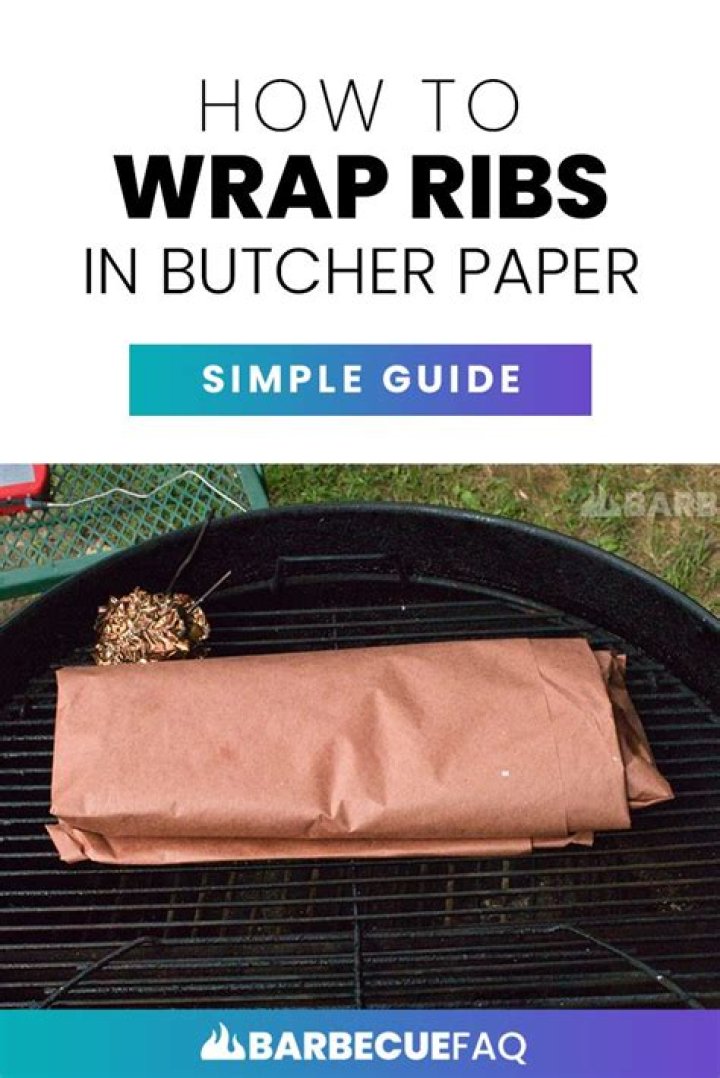
Brisket is one of the most iconic cuts of meat in the world of barbecue, and mastering the art of smoking it is a skill that every enthusiast strives to achieve. When to wrap a brisket in butcher paper is a critical question that can make or break the quality of your final dish. Proper wrapping can ensure tenderness, juiciness, and flavor retention, all of which are essential for an unforgettable eating experience.
For those who are new to the world of smoking meats, the concept of wrapping a brisket might seem confusing. However, it is a technique that has been perfected over generations by pitmasters around the world. Understanding the timing and method of wrapping is crucial for achieving the perfect balance between texture and taste.
This guide will take you through everything you need to know about when to wrap a brisket in butcher paper, including the science behind the process, practical tips, and expert advice. Whether you're a beginner or a seasoned smoker, this article will provide valuable insights into perfecting your brisket game.
Introduction to Brisket Smoking
Brisket smoking is an art form that combines patience, skill, and a deep understanding of the science behind cooking meat at low temperatures. The brisket, a tough cut of meat from the breast or lower chest of a cow, requires a specific approach to break down its connective tissues and convert them into tender, flavorful goodness.
One of the most debated techniques in brisket smoking is the decision to wrap the meat during the cooking process. While some purists advocate for cooking the brisket "naked" or unwrapped, others swear by the benefits of wrapping, especially when using butcher paper. This section will explore the basics of brisket smoking and set the stage for understanding why wrapping is important.
Why Wrap a Brisket?
Wrapping a brisket serves several purposes, including moisture retention, temperature control, and flavor enhancement. The primary reason for wrapping is to combat the dreaded "stall," a phenomenon where the brisket's cooking process slows down significantly as moisture evaporates from the surface. By wrapping the brisket, you create a controlled environment that helps maintain consistent cooking temperatures and speeds up the process.
Another benefit of wrapping is that it allows the brisket to retain its natural juices, preventing it from drying out. This is especially important for larger cuts of meat, which can take several hours to cook properly. Additionally, wrapping can enhance the flavor profile by trapping smoke and spices within the wrap, infusing the meat with additional depth.
Key Benefits of Wrapping
- Moisture retention
- Faster cooking times
- Prevention of over-smoking
- Improved texture and tenderness
Butcher Paper vs. Foil: What's the Difference?
When it comes to wrapping brisket, two popular options are butcher paper and foil. Both have their advantages and disadvantages, and the choice often depends on personal preference and desired outcomes.
Butcher paper, also known as peach paper, is a porous material that allows some moisture to escape while retaining the majority of the brisket's juices. This makes it an excellent choice for those who want a balance between tenderness and a crispy bark. On the other hand, foil creates a completely sealed environment, which can result in a moister brisket but may sacrifice some of the bark's texture.
Comparison of Butcher Paper and Foil
- Butcher Paper: Allows partial moisture release, preserves bark texture.
- Foil: Completely seals in moisture, may soften the bark.
When to Wrap a Brisket in Butcher Paper
The timing of when to wrap a brisket in butcher paper is critical to achieving the desired results. Generally, most pitmasters recommend wrapping the brisket when it reaches an internal temperature of around 165-170°F (74-77°C). At this point, the meat has developed a good bark, and wrapping can help speed up the cooking process without sacrificing flavor or texture.
However, the exact timing may vary depending on factors such as the size of the brisket, the type of smoker being used, and the desired level of tenderness. It's important to monitor the brisket closely and adjust the wrapping time accordingly.
Factors to Consider When Deciding to Wrap
- Internal temperature of the brisket
- Size and thickness of the cut
- Type of smoker or cooking equipment
- Desired texture and flavor profile
Temperature Guidelines for Wrapping
Temperature plays a crucial role in determining when to wrap a brisket in butcher paper. As mentioned earlier, the ideal time to wrap is when the internal temperature reaches 165-170°F (74-77°C). This range corresponds to the "stall" phase, where the brisket's cooking process slows down due to moisture evaporation.
Wrapping at this stage helps to bypass the stall and accelerates the cooking process, allowing the brisket to reach its final temperature more quickly. It's important to use a reliable meat thermometer to monitor the internal temperature accurately and avoid under or overcooking the brisket.
Recommended Temperature Ranges
- Wrap at 165-170°F (74-77°C)
- Final cook temperature: 200-205°F (93-96°C)
Timing the Wrap: Practical Tips
Timing the wrap is as much an art as it is a science. While temperature guidelines provide a solid foundation, there are several practical tips that can help you make the right decision:
- Check the brisket's appearance: Look for a well-developed bark before wrapping.
- Monitor the cooking time: Larger briskets may require earlier wrapping to prevent overcooking.
- Adjust for environmental factors: Wind, humidity, and temperature can affect cooking times and wrapping decisions.
Best Practices for Timing the Wrap
Always keep a close eye on your brisket and be prepared to adjust your wrapping strategy based on real-time observations. Flexibility and adaptability are key to achieving the perfect result.
Common Mistakes to Avoid
Even the most experienced pitmasters can fall into common pitfalls when wrapping brisket. Here are a few mistakes to avoid:
- Wrapping too early: This can prevent the bark from forming properly and result in a less flavorful brisket.
- Wrapping too late: Delaying the wrap can lead to a dry, overcooked brisket.
- Using the wrong material: Choosing foil instead of butcher paper can soften the bark and alter the texture.
How to Avoid These Mistakes
By understanding the science behind wrapping and following best practices, you can avoid these common errors and achieve consistent results every time.
Best Practices for Wrapping Brisket
Adhering to best practices is essential for mastering the art of wrapping brisket. Here are some key tips to keep in mind:
- Use high-quality butcher paper for optimal results.
- Ensure the wrap is snug but not too tight to allow for some moisture release.
- Re-wrap the brisket if necessary to maintain moisture and temperature control.
Additional Tips for Success
Experiment with different techniques and materials to find what works best for your setup and desired outcome. Remember that practice makes perfect, and each brisket you cook is an opportunity to refine your skills.
Tools and Materials You'll Need
To successfully wrap a brisket in butcher paper, you'll need the following tools and materials:
- High-quality butcher paper
- Reliable meat thermometer
- Twine or butcher's string for securing the wrap
- Smoke-enhancing ingredients (optional)
Where to Source Quality Materials
Investing in high-quality materials is essential for achieving the best results. Look for reputable suppliers and read reviews to ensure you're getting the best products for your needs.
Conclusion: Perfect Your Brisket Game
Wrapping a brisket in butcher paper is a technique that can elevate your smoking game to the next level. By understanding when to wrap, how to wrap, and the factors that influence the process, you can achieve tender, flavorful brisket every time.
We encourage you to try out these tips and techniques in your next smoking session. Leave a comment below to share your experiences, and don't forget to explore our other articles for more insights into the world of barbecue.
Happy smoking!


