
When Was the Car Invented? A Comprehensive Timeline of Automotive History
By Mia Phillips
The invention of the car marked a revolutionary moment in human history, transforming the way we travel and interact with the world around us. From humble beginnings as steam-powered carriages to the sophisticated vehicles we see today, the evolution of the automobile is a fascinating journey. In this article, we will explore the exact date when the car was invented, delve into its history, and uncover the key milestones that shaped the automotive industry.
For centuries, humans relied on horse-drawn carriages and other rudimentary forms of transportation. However, the late 18th and early 19th centuries witnessed groundbreaking innovations that laid the foundation for modern transportation. The invention of the car was not the work of a single individual but rather the result of collective efforts spanning decades.
In this article, we will take a deep dive into the origins of the car, exploring the contributions of pioneering inventors, the technological advancements that made it possible, and the societal impact of this revolutionary invention. By the end, you will have a comprehensive understanding of when the car was invented and its significance in shaping modern civilization.
The Early Beginnings: Predecessors of the Modern Car
Before the invention of the modern car, several precursors laid the groundwork for automotive technology. The first self-propelled vehicle, a steam-powered carriage, was created by Nicolas-Joseph Cugnot in 1769. This vehicle, though rudimentary, marked a significant milestone in transportation history.
Steam-Powered Vehicles
Steam-powered vehicles dominated the early years of automotive innovation. These machines were primarily used for industrial purposes, such as hauling goods and passengers on railways. However, their heavy weight and limited range made them impractical for personal transportation.
Internal Combustion Engine
The development of the internal combustion engine was a crucial step toward the creation of the modern car. Inventors like Étienne Lenoir and Siegfried Marcus experimented with this technology in the mid-19th century, paving the way for more efficient and lightweight vehicles.
Karl Benz: The Inventor of the Modern Automobile
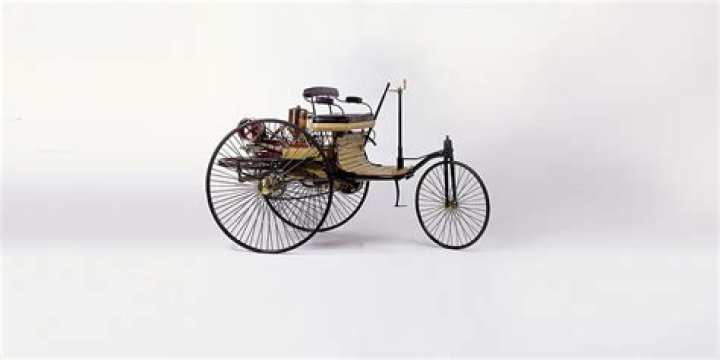
Karl Benz, a German engineer and inventor, is widely regarded as the father of the modern automobile. In 1885, he successfully developed the Benz Patent-Motorwagen, the world's first practical automobile powered by an internal combustion engine.
Benz's invention was revolutionary for several reasons:
- It featured a lightweight design, making it more efficient than steam-powered vehicles.
- It utilized a single-cylinder engine that could run on gasoline, a readily available fuel source.
- It included a sophisticated braking system and steering mechanism, enhancing safety and control.
When Was the Car Invented? The Exact Date
The car as we know it today was officially invented on January 29, 1886, when Karl Benz filed a patent for his Motorwagen. This date is considered the birth of the modern automobile and marks the beginning of a new era in transportation.
While other inventors contributed to the development of automotive technology, Benz's patent stands out as the definitive moment in history when the car was officially recognized as an invention.
The Evolution of Cars: Key Milestones
From its humble beginnings, the car has undergone significant transformations over the years. Below are some of the key milestones in the evolution of automobiles:
Mass Production
In 1908, Henry Ford revolutionized the automotive industry with the introduction of the Model T. By implementing assembly line production techniques, Ford made cars more affordable and accessible to the general public.
Advancements in Safety
Safety features such as seat belts, airbags, and anti-lock braking systems have become standard in modern cars, significantly reducing the risk of accidents and injuries.
Environmental Concerns
In recent decades, concerns about climate change and air pollution have led to the development of eco-friendly vehicles, including hybrid and fully electric cars.
The Impact of Cars on Society
The invention of the car has had a profound impact on society, influencing everything from urban planning to economic development. Below are some of the ways cars have transformed the world:
- Increased mobility, allowing people to travel greater distances in less time.
- Boosted economic growth by facilitating trade and commerce.
- Shaped the development of cities and infrastructure, with roads and highways becoming central to urban design.
Modern Advancements in Automotive Technology
Today's cars are equipped with cutting-edge technology that enhances performance, safety, and convenience. Some of the most notable advancements include:
Electric Vehicles
Electric cars, such as those produced by Tesla, are gaining popularity due to their environmental benefits and advanced features like autonomous driving capabilities.
Connected Cars
Modern vehicles are increasingly connected to the internet, enabling features like real-time traffic updates, remote diagnostics, and over-the-air software updates.
Interesting Statistics About Cars
Here are some fascinating statistics about cars:
- As of 2023, there are over 1.4 billion cars in use worldwide.
- The global automotive industry generates revenue of approximately $3.5 trillion annually.
- Electric vehicles account for around 10% of global car sales, a figure that is expected to grow rapidly in the coming years.
The Future of Cars: Electric and Autonomous Vehicles
The future of cars looks promising, with advancements in electric and autonomous technology set to reshape the automotive landscape. Experts predict that by 2030, a significant portion of cars on the road will be fully electric, reducing reliance on fossil fuels and lowering emissions.
Autonomous vehicles, which rely on artificial intelligence and sensor technology, are also expected to become more prevalent, offering safer and more efficient transportation options.
Frequently Asked Questions About the Invention of Cars
Who Invented the First Car?
Karl Benz is credited with inventing the first modern automobile, the Benz Patent-Motorwagen, in 1885.
What Was the First Car Called?
The first car was called the Benz Patent-Motorwagen, a three-wheeled vehicle powered by an internal combustion engine.
How Did Cars Evolve Over Time?
Cars evolved from steam-powered carriages to gasoline-powered vehicles, and now include electric and autonomous options. Innovations in safety, efficiency, and technology have driven this evolution.
Conclusion: Celebrating the Legacy of the Car
The invention of the car has had a profound impact on human civilization, transforming the way we live, work, and travel. From Karl Benz's groundbreaking Motorwagen to the cutting-edge electric and autonomous vehicles of today, the automotive industry continues to innovate and push the boundaries of what is possible.
We invite you to join the conversation by leaving a comment below or sharing this article with others who share your passion for automotive history. For more fascinating insights into the world of cars, be sure to explore our other articles on the site.
References:
- Smithsonian Institution. (2023). The History of the Automobile. Retrieved from https://www.si.edu
- Encyclopedia Britannica. (2023). Karl Benz and the Invention of the Modern Car. Retrieved from https://www.britannica.com
- International Energy Agency. (2023). Global EV Outlook. Retrieved from https://www.iea.org