
When Was the Slave Trade Abolished in the US? A Comprehensive Historical Analysis
By William Brown
The abolition of the slave trade in the United States is one of the most significant moments in American history. This landmark event marked a turning point in the fight for human rights and equality, shaping the nation's future. Understanding the timeline and the factors that led to this pivotal moment is essential for comprehending the complexities of American history.
The transatlantic slave trade was a dark chapter in world history, with the United States playing a significant role. For centuries, millions of Africans were forcibly taken from their homelands and brought to the Americas under inhumane conditions. The economic, social, and political implications of slavery left deep scars on the nation, which are still felt today.
This article delves into the history of the slave trade in the United States, focusing on when it was abolished, the key figures involved, and the long-term effects on society. By exploring this critical period, we aim to provide a comprehensive understanding of the events that shaped the nation and inspired future generations to continue the fight for justice and equality.
Timeline of the Abolition of the Slave Trade
The transatlantic slave trade officially ended in the United States on January 1, 1808, when a federal law banning the importation of enslaved Africans went into effect. This date marked the culmination of decades of advocacy, legislation, and social change. Although the domestic trade of enslaved individuals continued, the international trade was effectively halted, setting the stage for further reforms.
Several key milestones preceded this historic date:
- 1777: Vermont became the first territory to ban slavery in its constitution.
- 1787: The Northwest Ordinance prohibited slavery in the Northwest Territory.
- 1807: Congress passed the Act Prohibiting Importation of Slaves, which was signed into law by President Thomas Jefferson.
The abolition of the slave trade did not immediately end slavery itself, but it was a crucial step toward dismantling the institution.
Significance of 1808
The year 1808 is often cited as the official end of the transatlantic slave trade in the United States. While enforcement of the ban was inconsistent, particularly in Southern states, the law represented a significant victory for abolitionists and a moral condemnation of the practice.
Key Figures in the Abolition Movement
The abolition of the slave trade was not achieved overnight. It was the result of the tireless efforts of numerous individuals and organizations who dedicated their lives to the cause. Below are some of the most influential figures in the movement:
- Frederick Douglass: A former enslaved person turned abolitionist leader, Douglass became one of the most prominent voices against slavery through his speeches and writings.
- William Lloyd Garrison: Founder of the anti-slavery newspaper The Liberator, Garrison was a key figure in the abolitionist movement.
- Harriet Tubman: Known for her work on the Underground Railroad, Tubman risked her life to help enslaved individuals escape to freedom.
Role of Women in Abolition
Women played a vital role in the abolition movement, advocating for both the end of slavery and women's rights. Figures such as Sojourner Truth and Susan B. Anthony used their platforms to challenge societal norms and push for change.
Economic Impact of the Slave Trade
The transatlantic slave trade was driven by economic interests, with enslaved labor fueling industries such as agriculture, textiles, and shipping. The abolition of the trade disrupted these industries, forcing a shift in economic practices.
According to historian Eric Williams, the profits generated by the slave trade contributed significantly to the industrialization of Europe and the United States. However, the moral and ethical costs of slavery ultimately outweighed the economic benefits, leading to its decline.
Post-Abolition Economic Adjustments
After the abolition of the slave trade, Southern states struggled to adapt to a labor force that was no longer reliant on enslaved individuals. This transition led to the development of sharecropping and other exploitative systems that perpetuated economic inequality.
Legal Framework for Abolition
The abolition of the slave trade was achieved through a combination of legislative actions and judicial rulings. Key legal milestones included:
- The Constitution's Three-Fifths Compromise, which counted enslaved individuals as partial persons for representation purposes.
- The Fugitive Slave Act of 1850, which attempted to enforce the return of escaped enslaved individuals.
- The Emancipation Proclamation of 1863, which declared enslaved individuals in Confederate states to be free.
These laws, while imperfect, laid the groundwork for the eventual passage of the Thirteenth Amendment, which abolished slavery entirely in 1865.
Challenges in Enforcement
Despite the legal framework, enforcement of abolition laws was inconsistent. Smuggling and illegal trade continued in some areas, highlighting the need for stronger oversight and penalties.
Public Opinion and Resistance
Public opinion on slavery was deeply divided, with supporters of the institution often resorting to violence to maintain the status quo. Abolitionists faced significant opposition, including threats, harassment, and even murder.
Despite these challenges, the abolitionist movement gained momentum through grassroots efforts, public speeches, and publications that exposed the horrors of slavery to a wider audience.
Role of Religion in Abolition
Many religious organizations played a crucial role in the abolition movement, using their platforms to advocate for moral and ethical reform. Quakers, Methodists, and other denominations were particularly active in promoting the cause.
International Influence on Abolition
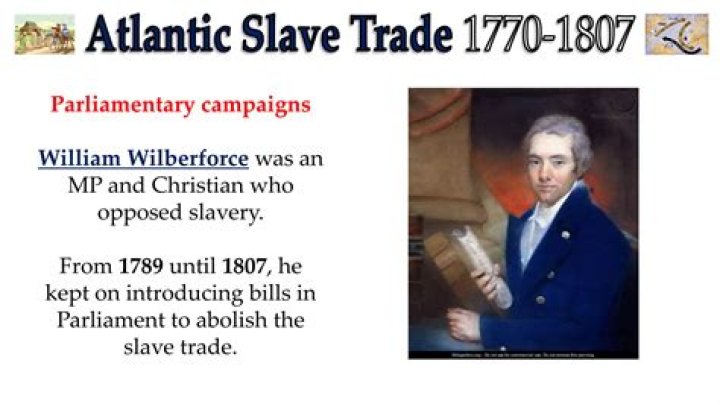
The abolition of the slave trade in the United States was influenced by global events, including the British abolition of the trade in 1807 and the Haitian Revolution. These movements demonstrated the power of collective action and inspired similar efforts in other countries.
International treaties, such as the Webster-Ashburton Treaty of 1842, sought to strengthen cooperation in combating the illegal slave trade, further solidifying the global commitment to abolition.
Comparison with Other Nations
While the United States was one of the first nations to abolish the transatlantic slave trade, other countries followed suit in subsequent years. Brazil, for example, did not officially abolish slavery until 1888, highlighting the varying timelines and challenges faced by different nations.
Post-Abolition Challenges
Although the abolition of the slave trade was a significant achievement, it did not immediately resolve the underlying issues of racial inequality and discrimination. The Reconstruction era was marked by both progress and setbacks, as former enslaved individuals sought to rebuild their lives in a society that remained deeply divided.
Key challenges included:
- Lack of economic opportunities for formerly enslaved individuals.
- Rise of Jim Crow laws and segregation.
- Resistance from white supremacists and other groups opposed to racial equality.
Legacy of Reconstruction
Despite these challenges, the Reconstruction era laid the foundation for future civil rights movements, demonstrating the resilience and determination of those who fought for justice and equality.
Long-Term Effects of Abolition
The abolition of the slave trade had far-reaching consequences for American society, influencing everything from politics to culture. It inspired future generations to continue the fight for human rights and equality, leading to landmark legislation such as the Civil Rights Act of 1964 and the Voting Rights Act of 1965.
However, the legacy of slavery continues to impact American society, with issues such as systemic racism and economic inequality still requiring attention and action.
Modern-Day Relevance
Understanding the history of the slave trade and its abolition is crucial for addressing contemporary issues related to race and inequality. By learning from the past, we can work toward a more just and equitable future.
Educational Legacy of the Abolition Movement
The abolition movement has left a lasting impact on education, inspiring countless individuals to study and teach about the history of slavery and its abolition. Schools and universities across the country now incorporate this history into their curricula, ensuring that future generations are aware of the struggles and triumphs of the past.
Organizations such as the National Museum of African American History and Culture continue to preserve and promote this history, providing valuable resources for educators and the public alike.
Importance of Historical Awareness
Awareness of the history of slavery and its abolition is essential for fostering understanding and empathy among individuals from diverse backgrounds. By learning about the experiences of those who fought for freedom, we can better appreciate the progress that has been made and the work that still needs to be done.
Conclusion and Call to Action
The abolition of the slave trade in the United States was a monumental achievement that marked the beginning of a long and difficult journey toward justice and equality. While significant progress has been made, the legacy of slavery continues to impact American society today. By continuing to educate ourselves and others about this history, we can work toward a brighter future for all.
We invite you to take action by:
- Sharing this article with friends and family to raise awareness about the history of slavery and its abolition.
- Exploring additional resources, such as books, documentaries, and museum exhibits, to deepen your understanding of this critical period in history.
- Engaging in meaningful conversations about race and inequality to promote understanding and empathy.
Together, we can honor the legacy of those who fought for freedom by continuing their work and striving for a more just and equitable world.


