
When Was the White House Built: A Comprehensive History and Facts
By Emma Valentine
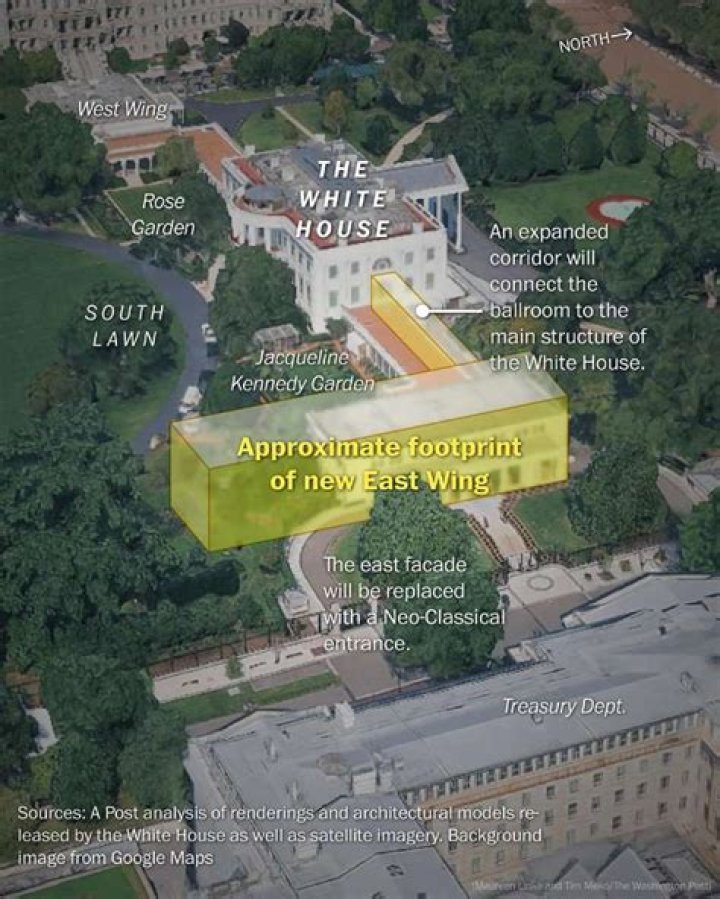
The White House, one of the most iconic symbols of American democracy, has a rich and fascinating history that dates back over two centuries. Built as the official residence and workplace of the President of the United States, its construction began in 1792 under the direction of architect James Hoban. This historic building has become a global symbol of leadership and governance, making it an essential piece of American heritage.
The White House is more than just a building; it represents the ideals and values of the United States. Over the years, it has undergone numerous renovations, restorations, and expansions while maintaining its original charm and architectural beauty. Its construction and evolution reflect the growth and development of the nation itself.
In this article, we will delve into the history of the White House, exploring its origins, the timeline of its construction, notable events that have taken place within its walls, and interesting facts about this historic landmark. Whether you're a history enthusiast or simply curious about this American treasure, you'll find something intriguing in the story of the White House.
Construction Timeline of the White House
The construction of the White House began in 1792 when President George Washington selected the site for the executive mansion. The cornerstone was laid on October 13, 1792, marking the official start of the project. Construction took approximately eight years, and the building was completed in 1800. John Adams, the second President of the United States, became the first president to reside in the White House on November 1, 1800.
During the construction phase, skilled laborers and enslaved African Americans played a crucial role in building the structure. The project faced financial challenges, but with the support of Congress and the dedication of the workforce, the White House was eventually completed. This timeline highlights the dedication and perseverance required to create such a monumental building.
Key Dates in the Construction Process
- 1790: The Residence Act is passed, authorizing the construction of a new capital city and the President's House.
- 1792: Construction begins on the White House site.
- 1800: The White House is completed and becomes the official residence of the President.
Architectural Design and Inspiration
The architectural design of the White House was inspired by classical European styles, particularly Irish and Georgian architecture. James Hoban, the Irish-born architect who won the design competition, incorporated elements of the Leinster House in Dublin, Ireland, into his plans. The White House features a neoclassical style with a white-painted Aquia sandstone exterior that gives the building its iconic name.
The design of the White House was not only aesthetically pleasing but also functional, providing ample space for both residential and official purposes. The building's symmetrical layout and grandeur reflect the importance of the role it plays in American governance.
Historical Events in the White House
Throughout its history, the White House has been the site of numerous significant events that have shaped the United States and the world. From state dinners to historic speeches, the building has witnessed many pivotal moments in American history.
One of the most notable events occurred during the War of 1812 when British forces set fire to the White House. Despite the damage, the building was rebuilt and restored, symbolizing the resilience of the nation. Other notable events include the signing of important treaties, the delivery of State of the Union addresses, and the hosting of dignitaries from around the globe.
Notable Events in the White House
- 1814: The White House is burned during the War of 1812.
- 1942: President Franklin D. Roosevelt delivers his famous "Day of Infamy" speech from the White House.
- 1990s: The White House hosts peace talks during the Oslo Accords.
Major Renovations and Expansions
Over the years, the White House has undergone several renovations and expansions to accommodate the needs of the modern presidency. One of the most significant renovations took place during the Truman administration in the late 1940s and early 1950s. The entire interior of the building was gutted and rebuilt to address structural issues, while the exterior was preserved to maintain its historical integrity.
Other notable expansions include the addition of the West Wing and the East Wing, which provide additional office space and public areas. These renovations have ensured that the White House remains a functional and relevant space for the President and their staff.
Renovation Projects
- 1948-1952: Complete interior renovation under President Harry Truman.
- 1961: Jacqueline Kennedy's restoration of the White House to its original grandeur.
Interesting Facts About the White House
The White House is filled with fascinating facts and trivia that make it a unique and captivating landmark. Here are some interesting facts about this historic building:
- The White House has 132 rooms, 35 bathrooms, and six levels.
- It is the only private residence of a head of state that is open to the public free of charge.
- The White House kitchen is capable of serving dinner to 140 guests and hors d'oeuvres to over 1,000 people.
- There are 412 doors, 147 windows, and 28 fireplaces in the White House.
Biography: James Hoban, the Architect
James Hoban, the architect responsible for designing the White House, was born in County Kilkenny, Ireland, in 1758. He studied architecture in Dublin before immigrating to the United States in the late 1780s. Hoban's design for the White House was selected in a competition organized by President George Washington, and he was subsequently appointed as the supervising architect for the project.
Under Hoban's leadership, the White House was constructed with meticulous attention to detail and a commitment to quality. His legacy lives on through the enduring beauty and functionality of the building he created.
| Name | James Hoban |
|---|---|
| Birthplace | County Kilkenny, Ireland |
| Profession | Architect |
| Notable Work | Design and construction of the White House |
The White House in Modern Times
In modern times, the White House continues to serve as a symbol of American democracy and leadership. It is a hub of political activity, hosting meetings, press conferences, and diplomatic events. The White House also plays an important role in shaping public perception of the presidency through its media presence and outreach efforts.
As technology advances, the White House has embraced new methods of communication, using social media and digital platforms to engage with citizens and the global community. This adaptation ensures that the White House remains relevant and accessible in the digital age.
Visiting the White House
Visiting the White House is a unique opportunity to experience American history firsthand. Public tours are available, though they require advance planning and coordination through one's Member of Congress. During these tours, visitors can explore the State Floor, which includes the East Room, Blue Room, and Red Room, among other notable spaces.
Guided by knowledgeable docents, visitors gain insight into the history and significance of the White House, making it an unforgettable experience for history enthusiasts and families alike.
The Presidential Residence
As the official residence of the President of the United States, the White House provides a home for the First Family while also serving as the center of government operations. The Residence includes private quarters for the President and their family, as well as offices for senior staff members.
The design of the Residence ensures a balance between privacy and functionality, allowing the President to carry out their duties while maintaining a sense of normalcy in their personal lives. This dual purpose makes the White House a unique and vital component of American governance.
Conclusion
In summary, the White House is a remarkable symbol of American history and democracy. From its construction in 1792 to its role in modern politics, the White House has played a pivotal role in shaping the nation. Its rich history, architectural beauty, and enduring significance make it a treasure for all Americans and a must-see destination for visitors from around the world.
We invite you to share your thoughts and questions about the White House in the comments section below. For more fascinating insights into American history and landmarks, explore our other articles on our website. Thank you for reading, and we hope you enjoyed learning about the incredible story of the White House!
Sources:
- WhiteHouse.gov
- History.com
- National Geographic
![Naughty America: Watch & Download XXX - [Top Porn]](https://silver.isevcloud.co.uk/uploads/stream-1000s-of-exclusive-adult-porn-videos-joining-naughty-america-gets-you-access-to-thousands-of-the-best-porn-scenes-online-with-a-library-that-spans-over-20-years-you-39-ll-get-to-enjoy-the-latest-hottest-pornstars-from-milfs-to-teens-amateurs-to-award-winning-pro-39-s-and-some-faces-you-may-not-recognize-but-will-find-their-way-into-your-fantasies-naughty-america-is-the-global-authority-on-sex-watch-our-famous-porn-movies-or-have-the-real-experience-with-our-vr-porn-we-have-the-best-porn-stars-and-highest-quality-porn-we-are-here-to-help-you-find-your-fantasy-get-access-to-naughty-america-and-login-to-watch-and-download-porn-as-a-member-for-free-you-can-stream-our-4k-hd-and-vr-porn-on-desktops-laptops-mobile-phones-tablets-and-all-popular-virtual-reality-porn-headsets-like-vive-and-oculus-rift-watch-high-quality-hd-naughty-america-tube-videos-sex-trailers-no-password-is-required-to-watch-movies-on-pornhub-com-the-most-hardcore-xxx-movies-await-you-here-on-the-world-39-s-biggest-porn-tube-so-browse-the-amazing-selection-of-hot-naughty-america-sex-videos-now-watch-the-most-erotic-sex-scenes-in-amazing-vr-4k-and-hd-quality-enjoy-all-of-her-naughty-america-scenes-for-1-95-watch-new-u26a1-naughty-america-hd-porn-movies-and-pictures-all-videos-are-true-1080p-and-720p-enjoy-ufe0f-our-collection-of-naughty-america-xxx-films-ud83c-udf9e-ufe0f-xnxx-com-39-naughty-america-39-search-free-sex-videos-naughty-america-offers-the-best-and-exclusive-new-porn-on-the-internet-we-update-hd-4k-and-vr-porn-daily-so-experience-the-ultimate-xxx-videos-every-day-i-represent-warrant-and-agree-to-the-following-i-am-at-least-eighteen-18-years-of-age-and-have-the-legal-right-to-access-and-possess-adult-material-in-the-community-from-which-i-am-accessing-these-materials-and-in-which-i-reside-browse-all-naughty-america-categories-to-find-the-fantasy-that-is-right-for-you-we-39-re-obsessive-with-labeling-our-content-from-body-types-to-fantasies-lingerie-to-fetishes-whatever-you-want-it-39-ll-be-at-your-fingertips-log-into-the-member-39-s-area-of-the-best-porn-site-on-the-internet-naughty-america-is-one-the-the-most-award-winning-adult-entertainment-platforms-on-the-internet-for-over-20-years-naughty-america-has-defined-itself-by-constantly-booking-top-talent-staying-on-top-of-trending-and-classic-themes-alike-as-well-as-pushing-the-envelope-of-technology-and-entertainment-naughty-america-is-the-global-authority-on-sex-watch-our-famous-porn-movies-or-have-the-real-experience-with-our-vr-porn-we-have-the-best-porn-stars-and-highest-quality-porn-download-or-watch-top-rated-porn-videos-at-naughty-america-with-multiple-updates-daily-experience-your-favorite-xxx-pornstars-in-stunning-4k-vr-hd-quality-naughty-america-gives-you-access-to-massive-porn-collection-in-crystal-clear-highest-quality-photo-and-video-technologies-available-to-stream-and-download-from-any-desktop-laptop-mobile-or-smart-device-all-vr-porn-porn-movies-porn-deals-inside-naughty-america-ar-porn-my-naughty-america-playstation-vr-lenses-strip-club-naughty-america-is-one-the-the-most-award-winning-adult-entertainment-platforms-on-the-internet-for-over-20-years-naughty-america-has-defined-itself-by-constantly-booking-top-talent-staying-on-top-of-trending-and-classic-themes-alike-as-well-as-pushing-the-envelope-of-technology-and-entertainment-discover-naughty-america-full-hd-1080p-sex-videos-featuring-porn-stars-fucking-in-xxx-scenes-naughty-america-is-one-the-the-most-award-winning-adult-entertainment-platforms-on-the-internet-for-over-20-years-naughty-america-has-defined-itself-by-constantly-booking-top-talent-staying-on-top-of-trending-and-classic-themes-alike-as-well-as-pushing-the-envelope-of-technology-and-entertainment-best-pornstars-playing-and-having-fun-in-naughty-america-free-videos-enjoy-the-best-hd-porn-collection-on-our-free-xxx-tube-naughty-america-is-one-the-the-most-award-winning-adult-entertainment-platforms-on-the-internet-for-over-20-years-naughty-america-has-defined-itself-by-constantly-booking-top-talent-staying-on-top-of-trending-and-classic-themes-alike-as-well-as-pushing-the-envelope-of-technology-and-entertainment_720.jpg)

