
Where's Bali: A Comprehensive Guide to Discovering the Island of Gods
By Emma Valentine
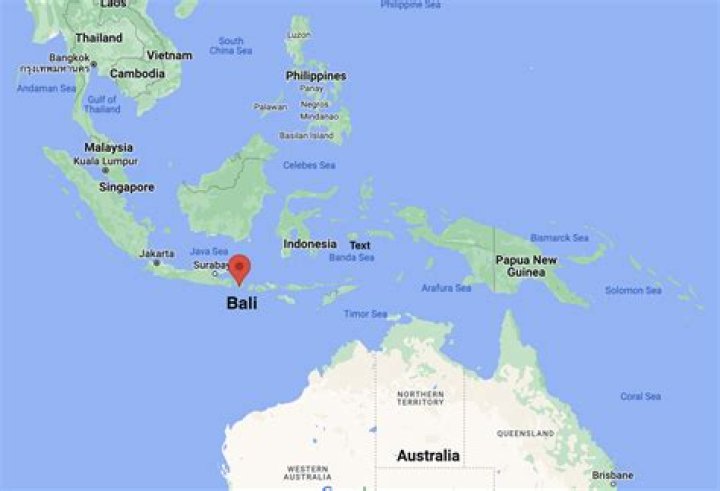
Bali, the jewel of Indonesia, has long been a dream destination for travelers from all over the world. Known for its stunning landscapes, vibrant culture, and warm hospitality, this island offers something for everyone. If you're wondering where Bali is located and what makes it such a unique destination, this article will provide all the answers you need.
From pristine beaches to lush rice terraces, Bali's natural beauty is unmatched. But the island's charm doesn't stop there. It's also a hub for art, spirituality, and adventure. Whether you're planning a vacation or simply curious about this enchanting place, this guide will take you through everything you need to know about Bali.
As one of the most popular tourist destinations in Southeast Asia, Bali continues to captivate visitors with its rich traditions, world-class accommodations, and unforgettable experiences. Let's dive deeper into why Bali is a must-visit destination and where exactly it is located on the map.
Where's Bali Located?
Bali is an island located in the western part of the Lesser Sunda Islands, within the archipelago of Indonesia. It is situated between Java to the west and Lombok to the east. The island's strategic location in the Indian Ocean makes it easily accessible from various parts of the world. Its proximity to Australia, Asia, and Europe has contributed to its popularity as a global travel destination.
Map Coordinates
Bali lies at approximately 8°25′23″S latitude and 115°10′50″E longitude. This positioning places it in the tropics, ensuring a warm and humid climate throughout the year. The island covers an area of about 5,632 square kilometers, making it relatively small compared to other Indonesian islands. Despite its size, Bali boasts diverse landscapes, from volcanic mountains to coastal plains.
Geography of Bali
Bali's geography is characterized by a mix of volcanic mountains, fertile rice paddies, and beautiful beaches. The island's terrain is dominated by Mount Agung, an active volcano standing at 3,142 meters. This sacred peak is not only a natural wonder but also holds deep spiritual significance for the Balinese people.
Key Landmarks
- Mount Agung: The highest point on the island and a place of pilgrimage.
- Ubud: Known as the cultural heart of Bali, surrounded by lush jungles and rice terraces.
- Kuta Beach: Famous for its golden sands and vibrant nightlife.
- Gilimanuk: The westernmost point of Bali, offering stunning sunsets.
Bali's Vibrant Culture
The cultural richness of Bali is one of its most defining features. The island is predominantly Hindu, with a unique blend of traditions and rituals that set it apart from other parts of Indonesia. Balinese culture is deeply intertwined with religion, art, and nature, creating a harmonious way of life.
Traditional Practices
Some of the most notable cultural practices in Bali include:
- Offerings (Canang Sari): Small, beautifully decorated baskets of flowers placed as offerings to the gods.
- Gamelan Music: A traditional orchestra featuring percussion instruments that accompany various ceremonies and performances.
- Barong Dance: A traditional dance drama that symbolizes the battle between good and evil.
Tourism in Bali
Bali's tourism industry has grown exponentially over the years, attracting millions of visitors annually. The island offers a wide range of attractions, from luxury resorts to budget-friendly accommodations. Its reputation as a paradise for relaxation and adventure continues to draw travelers from all walks of life.
Popular Destinations
- Seminyak: Known for its upscale dining and shopping experiences.
- Nusa Penida: An island off the coast of Bali, famous for its clear waters and marine life.
- Tanah Lot: A iconic sea temple perched on a rock formation by the sea.
Top Activities in Bali
Whether you're looking to unwind or embark on an adventure, Bali has something for everyone. From exploring ancient temples to indulging in water sports, the island offers endless possibilities for fun and excitement.
Adventure Activities
- Surfing: Bali's beaches are renowned for their excellent surfing conditions.
- Hiking: Trekking up Mount Batur offers breathtaking views of the sunrise.
- Scuba Diving: The waters around Bali are home to vibrant coral reefs and diverse marine species.
History of Bali
Bali's history dates back thousands of years, with evidence of human settlement as early as 3000 BCE. The island's rich past is marked by the influence of various cultures, including Indian, Chinese, and European. The arrival of Hinduism and Buddhism in the first millennium CE played a significant role in shaping Bali's spiritual landscape.
Colonial Era
In the late 19th century, Bali came under Dutch colonial rule. Despite the challenges faced during this period, the Balinese managed to preserve their unique culture and traditions. The island regained its independence in 1945, following Indonesia's declaration of independence.
Climate in Bali
Bali enjoys a tropical climate with two distinct seasons: the dry season (April to October) and the wet season (November to March). The island's weather is generally warm and humid, with temperatures ranging from 24°C to 32°C throughout the year. The best time to visit Bali is during the dry season when the weather is more predictable and comfortable for outdoor activities.
Seasonal Highlights
- Dry Season: Ideal for beach activities and outdoor adventures.
- Wet Season: Perfect for experiencing Bali's lush green landscapes and traditional ceremonies.
Travel Tips for Bali
Planning a trip to Bali? Here are some essential tips to ensure a smooth and enjoyable experience:
Getting Around
- Rental Cars: Renting a car with a driver is a convenient way to explore the island.
- Scooters: For shorter distances, renting a scooter is a popular choice among tourists.
- Public Transport: Although limited, buses and taxis are available in major cities.
Packing Essentials
- Light Clothing: Opt for breathable fabrics to stay cool in the tropical heat.
- Sunscreen: Protect your skin from the strong UV rays.
- Comfortable Footwear: Ideal for hiking and exploring the island's terrain.
Bali's Culinary Delights
Bali's cuisine reflects its cultural diversity, offering a delightful mix of flavors and ingredients. From traditional Balinese dishes to international cuisine, the island's culinary scene caters to all tastes and preferences.
Must-Try Dishes
- Babi Guling: A roasted suckling pig dish that is a Balinese classic.
- Nasi Campur: A mixed rice platter featuring a variety of side dishes.
- Sate Lilit: Minced fish or meat skewers wrapped around lemongrass sticks.
The Future of Bali
As Bali continues to evolve, it faces challenges related to sustainability and tourism management. Efforts are being made to preserve the island's natural beauty and cultural heritage while accommodating the growing number of visitors. Initiatives such as eco-friendly accommodations and responsible tourism practices aim to ensure Bali remains a sustainable destination for future generations.
Sustainable Tourism
Some of the steps being taken to promote sustainable tourism in Bali include:
- Supporting local businesses and artisans.
- Encouraging waste reduction and recycling programs.
- Promoting eco-tours and conservation projects.
Conclusion
Bali, with its breathtaking landscapes, rich culture, and warm hospitality, continues to be a top destination for travelers worldwide. Understanding where Bali is located and what it has to offer can enhance your appreciation of this remarkable island. Whether you're seeking relaxation, adventure, or cultural immersion, Bali promises an unforgettable experience.
We encourage you to share your thoughts and experiences in the comments below. If you enjoyed this article, don't forget to explore other fascinating destinations covered on our website. Together, let's celebrate the beauty and diversity of our world!


