
Where Do Tigers Live? Discovering the Natural Habitats of These Majestic Creatures
By William Brown
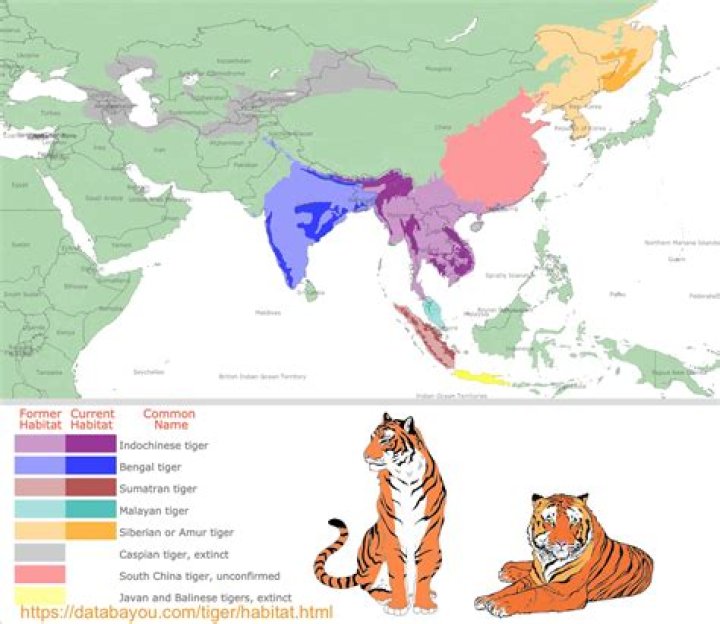
Tigers are one of the most iconic and majestic animals on the planet, but where do tigers live? Understanding their natural habitats is crucial for their conservation and survival. As one of the largest predators in the wild, tigers play a vital role in maintaining ecological balance. However, their populations have drastically declined due to habitat loss, poaching, and human-wildlife conflict. In this article, we will explore the diverse regions where tigers thrive and the challenges they face in their natural environments.
From the dense jungles of India to the frosty landscapes of Siberia, tigers inhabit some of the most fascinating ecosystems on Earth. Their adaptability to various climates and terrains showcases their resilience and survival instincts. Yet, despite their strength and beauty, tigers remain critically endangered, with only a few thousand left in the wild.
In this comprehensive guide, we will delve into the habitats of tigers, their distribution across the globe, and the conservation efforts aimed at protecting these magnificent creatures. By understanding where tigers live and the threats they face, we can play a part in ensuring their survival for generations to come.
Natural Habitats of Tigers
Tigers are known for their incredible adaptability to various environments, which has allowed them to thrive in diverse regions across Asia. The primary habitats where tigers live include tropical rainforests, grasslands, deciduous forests, and even cold, snowy regions like the Russian Far East. These environments provide the necessary resources for tigers to hunt, breed, and survive.
One of the key factors that determine where tigers live is the availability of prey. Tigers are carnivorous predators that rely on large ungulates such as deer, wild boar, and buffalo for sustenance. Therefore, their habitats must support a healthy population of herbivores to sustain their dietary needs.
Habitat Diversity Across Regions
While tigers are primarily found in Asia, their habitats vary significantly depending on the subspecies. For instance:
- Bengal Tigers: Inhabit the dense forests and mangroves of India and Bangladesh.
- Siberian Tigers: Thrive in the cold, coniferous forests of the Russian Far East.
- Sumatran Tigers: Found in the tropical rainforests of the Indonesian island of Sumatra.
This diversity in habitats highlights the adaptability of tigers and their ability to survive in challenging conditions.
Distribution of Tiger Subspecies
Tigers are divided into several subspecies, each with its unique geographical distribution. The six recognized subspecies of tigers include:
- Bengal Tiger
- Siberian Tiger
- Sumatran Tiger
- Indochinese Tiger
- Malayan Tiger
- South China Tiger
Each subspecies has adapted to its specific environment, which influences its physical characteristics and behavior. For example, Siberian tigers have thicker fur to withstand cold temperatures, while Sumatran tigers are smaller and more agile to navigate dense rainforests.
Geographical Ranges of Tiger Subspecies
Understanding the geographical ranges of tiger subspecies is essential for conservation efforts. Below is a breakdown of where each subspecies primarily resides:
- Bengal Tigers: India, Bangladesh, Nepal, Bhutan
- Siberian Tigers: Russian Far East, Northeast China
- Sumatran Tigers: Island of Sumatra, Indonesia
- Indochinese Tigers: Myanmar, Thailand, Laos, Vietnam
- Malayan Tigers: Malay Peninsula
- South China Tigers: Southern China (though they are now critically endangered)
This distribution underscores the importance of regional conservation strategies tailored to the specific needs of each subspecies.
Biogeography and Tiger Ranges
The biogeography of tigers is closely linked to their evolutionary history and adaptation to different climates. Tigers are believed to have originated in Central Asia and gradually spread across the continent, adapting to various ecological niches along the way.
Today, tigers are found in fragmented populations across Asia, with their ranges shrinking due to habitat loss and human encroachment. Despite these challenges, some regions still harbor significant tiger populations, such as the Sundarbans in India and Bangladesh, which is the largest mangrove forest in the world.
Historical Range of Tigers
Historically, tigers roamed much of Asia, from the Caspian Sea to the eastern coast of China. However, their range has diminished significantly over the past century. According to the World Wildlife Fund (WWF), tiger populations have declined by more than 95% since the early 1900s, with only around 3,900 tigers remaining in the wild today.
This decline highlights the urgent need for conservation efforts to protect the remaining tiger habitats and restore their populations.
Habitat Requirements for Tigers
Tigers require specific habitat conditions to thrive, including:
- Abundant Prey: A sufficient population of large herbivores to sustain their dietary needs.
- Cover and Shelter: Dense vegetation or forests to provide cover for hunting and resting.
- Water Sources: Access to clean water for drinking and cooling.
- Space: Large territories to allow for roaming and hunting without competition.
These requirements vary depending on the subspecies and their geographical location. For example, tigers in the Sundarbans rely on mangrove forests for shelter, while Siberian tigers need vast expanses of coniferous forests to survive.
Ideal Conditions for Tiger Survival
Creating ideal conditions for tiger survival involves protecting their natural habitats and addressing the threats they face. This includes:
- Establishing protected reserves and national parks.
- Implementing anti-poaching measures and wildlife trafficking laws.
- Encouraging community participation in conservation efforts.
By meeting these habitat requirements, we can ensure that tigers have the resources they need to thrive in the wild.
Threats to Tiger Habitats
Despite their adaptability, tigers face numerous threats to their habitats, which endanger their survival. The primary threats include:
- Habitat Loss: Caused by deforestation, agriculture expansion, and urbanization.
- Poaching: Driven by the demand for tiger parts in traditional medicine and illegal wildlife trade.
- Human-Wildlife Conflict: Resulting from competition for resources and encroachment on tiger territories.
- Climate Change: Affecting the availability of prey and altering ecosystems.
Addressing these threats requires a concerted effort from governments, conservation organizations, and local communities to protect tiger habitats and promote coexistence between humans and wildlife.
Impact of Human Activities on Tiger Habitats
Human activities have had a profound impact on tiger habitats, leading to habitat fragmentation and loss. For example, the conversion of forests into agricultural land has reduced the available space for tigers to roam and hunt. Additionally, illegal logging and mining activities have further degraded their habitats, making it difficult for tigers to survive.
Efforts to mitigate these impacts include reforestation projects, habitat restoration, and the establishment of wildlife corridors to connect fragmented habitats.
Conservation Efforts for Tiger Habitats
Conservation efforts for tigers focus on protecting their habitats, reducing poaching, and promoting sustainable coexistence with local communities. Some of the key initiatives include:
- Project Tiger: Launched by the Indian government in 1973, this program aims to preserve tiger habitats and increase their populations.
- Tiger Conservation Landscapes: Identified by the Wildlife Conservation Society (WCS), these areas are prioritized for conservation efforts.
- Global Tiger Recovery Program: A collaborative effort by governments and organizations to double tiger populations by 2022.
These initiatives have made significant progress in protecting tiger habitats and raising awareness about their conservation needs. However, continued efforts are necessary to ensure the long-term survival of tigers in the wild.
Community Involvement in Tiger Conservation
Engaging local communities is crucial for the success of tiger conservation efforts. By involving communities in conservation programs, we can address issues such as human-wildlife conflict and promote sustainable practices that benefit both humans and wildlife.
Examples of successful community-based conservation programs include eco-tourism initiatives and alternative livelihood programs that provide economic benefits to local communities while protecting tiger habitats.
Where Do Siberian Tigers Live?
Siberian tigers, also known as Amur tigers, primarily live in the temperate forests of the Russian Far East. These tigers are adapted to cold climates and are found in regions such as:
- Sikhote-Alin Mountains
- Primorsky Krai
- Khabarovsk Krai
Their thick fur and large size help them survive in the harsh winters of their habitat. Conservation efforts in Russia have led to a gradual increase in Siberian tiger populations, although they remain endangered due to habitat loss and poaching.
Conservation of Siberian Tigers
Conservation efforts for Siberian tigers focus on protecting their habitats, reducing poaching, and promoting international cooperation. The establishment of protected areas such as the Sikhote-Alin Biosphere Reserve has played a crucial role in their conservation.
Collaborative programs between Russia, China, and international organizations aim to restore tiger populations and ensure their long-term survival in the wild.
Where Do Indian Tigers Live?
Indian tigers, or Bengal tigers, are found in various regions of India, including:
- Ranthambore National Park
- Kanha Tiger Reserve
- Sundarbans National Park
- Jim Corbett National Park
These regions provide the necessary resources for tigers to thrive, including abundant prey, dense forests, and water sources. Conservation efforts in India have led to an increase in tiger populations, with the country now home to over 70% of the world's wild tigers.
Conservation of Indian Tigers
India's Project Tiger has been instrumental in the conservation of Bengal tigers. The program focuses on:
- Establishing tiger reserves and protected areas.
- Implementing anti-poaching measures and monitoring tiger populations.
- Engaging local communities in conservation efforts.
These efforts have resulted in a steady increase in tiger populations, although challenges such as habitat loss and human-wildlife conflict persist.
Tiger Diet and Hunting Grounds
Tigers are apex predators that rely on a diet of large herbivores. Their hunting grounds are typically located in areas with high prey density, such as:
- Dense forests
- Grasslands


