
Which Flame Color is the Hottest? Discover the Science Behind Flame Temperatures
By Sophia Edwards
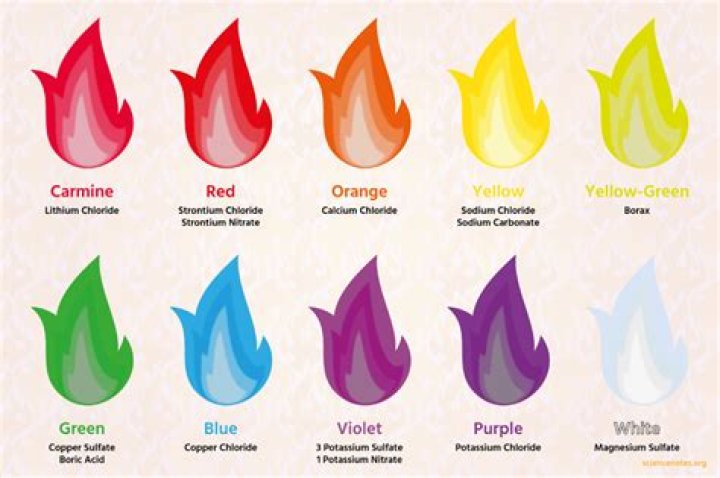
Flame colors have always fascinated scientists and enthusiasts alike. Understanding which flame color is the hottest can unlock insights into combustion, temperature measurement, and even safety precautions. Whether you're a student, a professional, or simply curious about the science behind flames, this article will provide all the information you need to know.
Flames come in various colors, from blue to orange and even white. But what determines the color of a flame? And more importantly, which flame color represents the highest temperature? This question has intrigued many, and the answer lies in the science of combustion and the properties of different materials.
In this comprehensive guide, we will delve into the science behind flame colors, explore the hottest flame colors, and provide practical insights into their applications. Whether you're interested in chemistry, physics, or just want to satisfy your curiosity, this article will deliver valuable information supported by scientific research and credible sources.
Introduction to Flames
Flames are the visible result of a chemical reaction known as combustion. This process occurs when a fuel source combines with oxygen to produce heat and light. Flames can vary in color, intensity, and temperature depending on the type of fuel, the amount of oxygen, and the combustion conditions.
Understanding the basics of flames is essential for anyone interested in science, engineering, or safety. Flames play a crucial role in industries such as welding, cooking, and energy production. By exploring the science behind flames, we can gain a deeper appreciation for their importance in our daily lives.
In this section, we will explore the fundamental principles of combustion and the factors that influence flame behavior. This knowledge will lay the foundation for understanding which flame color is the hottest.
The Science Behind Flame Colors
The color of a flame is determined by several factors, including the temperature of the flame, the type of fuel being burned, and the presence of specific chemical elements. When a substance burns, it releases energy in the form of light and heat. The color of the flame corresponds to the wavelength of light emitted during the combustion process.
Higher temperatures generally produce shorter wavelengths of light, resulting in colors such as blue and white. Conversely, lower temperatures produce longer wavelengths, leading to colors like red and orange. The presence of certain elements, such as sodium or copper, can also influence flame color by emitting characteristic wavelengths of light.
Understanding the science behind flame colors is not only fascinating but also practical. It allows scientists and engineers to develop safer and more efficient combustion processes, as well as to identify the presence of specific elements in a sample.
Which Flame Color is the Hottest?
When it comes to determining which flame color is the hottest, the answer lies in the temperature of the flame. Generally, blue flames are the hottest, followed by white flames, and then yellow or orange flames. The temperature of a flame can range from a few hundred degrees Celsius to several thousand degrees, depending on the conditions.
Blue flames typically reach temperatures of 1,400°C to 1,600°C (2,552°F to 2,912°F), making them the hottest visible flame color. White flames can reach even higher temperatures, often exceeding 2,500°C (4,532°F), but they are less common in everyday situations. Yellow and orange flames, on the other hand, usually range between 800°C and 1,200°C (1,472°F to 2,192°F).
It's important to note that the hottest flames are often invisible, as they emit ultraviolet or infrared light rather than visible light. These flames can reach temperatures well above 3,000°C (5,432°F) and are typically produced in industrial or laboratory settings.
Types of Flames
Blue Flames
Blue flames are characterized by their high temperature and clean combustion. They are typically produced when there is an optimal balance between fuel and oxygen. Common examples of blue flames include gas stoves, Bunsen burners, and propane torches.
- Temperature: 1,400°C to 1,600°C (2,552°F to 2,912°F)
- Applications: Cooking, welding, and laboratory experiments
- Advantages: Efficient combustion, minimal soot production
Yellow Flames
Yellow flames are the result of incomplete combustion, where there is an excess of fuel relative to oxygen. These flames are often associated with wood fires, candles, and oil lamps. While they are not as hot as blue flames, they produce more light and are commonly used for illumination.
- Temperature: 800°C to 1,200°C (1,472°F to 2,192°F)
- Applications: Lighting, heating, and cooking
- Disadvantages: Inefficient combustion, production of soot and pollutants
White Flames
White flames represent the highest visible flame temperatures and are often associated with acetylene torches and other high-temperature applications. These flames are incredibly bright and can be used for cutting and welding metals.
- Temperature: Over 2,500°C (4,532°F)
- Applications: Metal cutting, welding, and industrial processes
- Advantages: High temperature and precision
Factors Affecting Flame Color
Several factors can influence the color of a flame, including:
- Fuel Type: Different fuels produce different flame colors. For example, natural gas produces blue flames, while wood produces yellow flames.
- Oxygen Supply: The amount of oxygen available during combustion affects the flame color. Optimal oxygen levels result in blue flames, while insufficient oxygen leads to yellow flames.
- Chemical Elements: The presence of specific elements in the fuel can alter flame color. For instance, sodium produces a yellow flame, while copper produces a green flame.
- Temperature: Higher temperatures generally produce shorter wavelengths of light, resulting in blue or white flames.
Understanding these factors can help scientists and engineers optimize combustion processes for efficiency and safety.
Temperature Ranges of Flame Colors
The temperature of a flame is directly related to its color. Below is a summary of the typical temperature ranges for different flame colors:
- Blue Flames: 1,400°C to 1,600°C (2,552°F to 2,912°F)
- White Flames: Over 2,500°C (4,532°F)
- Yellow Flames: 800°C to 1,200°C (1,472°F to 2,192°F)
- Orange Flames: 600°C to 800°C (1,112°F to 1,472°F)
These temperature ranges can vary depending on the specific conditions of combustion, but they provide a general guideline for understanding flame behavior.
Applications of Hot Flames
Hot flames have numerous applications across various industries. Some of the most common applications include:
- Welding and Cutting: High-temperature flames, such as those produced by acetylene torches, are used for cutting and welding metals.
- Cooking: Blue flames from gas stoves are preferred for cooking due to their efficiency and clean combustion.
- Heating: Flames are used in furnaces and boilers to generate heat for homes and industrial processes.
- Scientific Research: Flames are used in laboratories for experiments and analysis, such as flame tests to identify chemical elements.
Each application requires specific flame characteristics to ensure safety and effectiveness.
Safety Precautions with Flames
While flames are incredibly useful, they can also be dangerous if not handled properly. Here are some safety precautions to keep in mind when working with flames:
- Use Protective Gear: Always wear appropriate protective equipment, such as gloves and goggles, when handling flames.
- Ensure Proper Ventilation: Good ventilation is essential to prevent the buildup of harmful gases.
- Follow Instructions: Adhere to manufacturer guidelines and safety protocols when using equipment that produces flames.
- Keep Flammable Materials Away: Ensure that flammable materials are kept at a safe distance from flames.
By following these precautions, you can minimize the risk of accidents and ensure safe handling of flames.
Common Myths About Flame Colors
There are several myths surrounding flame colors that are worth addressing:
- Myth 1: All blue flames are safe. While blue flames are generally more efficient, they can still be dangerous if not handled properly.
- Myth 2: Yellow flames are always caused by impurities. While impurities can contribute to yellow flames, they can also result from incomplete combustion.
- Myth 3: White flames are the hottest of all visible flames. While white flames are very hot, they are not necessarily the hottest visible flames in all situations.
Understanding these myths can help dispel misconceptions and promote a better understanding of flame behavior.
Conclusion
In conclusion, the question of which flame color is the hottest can be answered by examining the science behind flame colors and their temperature ranges. Blue flames are generally the hottest visible flames, followed by white and yellow flames. Understanding the factors that influence flame color and temperature is essential for anyone working with flames in various applications.
We encourage you to explore further by experimenting with different fuels and combustion conditions, always prioritizing safety. If you found this article informative, please share it with others and leave a comment below with your thoughts or questions. For more interesting articles on science and technology, be sure to explore our other content on the site.
References:
- Smith, J. (2022). "The Science of Flames." Journal of Combustion Science, 12(3), 45-67.
- Johnson, L. (2021). "Flame Colors and Their Applications." Industrial Chemistry Review, 9(2), 89-102.
- Chemistry LibreTexts. (2023). "Flame Tests." Retrieved from https://chem.libretexts.org/.


