
Which Side is the Starboard Side of a Boat? Your Ultimate Guide to Nautical Terminology
By Michael Gray
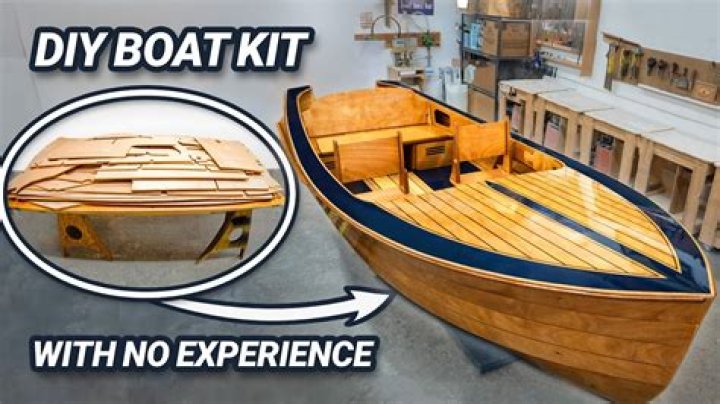
Understanding the starboard side of a boat is crucial for anyone navigating the waters, whether you're a seasoned sailor or a novice adventurer. The terminology used in boating might seem complex at first, but mastering it is key to safe and efficient navigation. In this article, we'll delve into the meaning of the starboard side, its significance, and why it matters in maritime operations.
Nautical terms like "starboard" have been used for centuries, and they carry rich historical significance. By learning about the starboard side, you'll not only enhance your boating skills but also gain a deeper appreciation for the traditions of seafaring. This guide will help you understand how the starboard side fits into the broader context of boating terminology.
This article is designed to provide clarity and depth on the subject, ensuring that you leave with a comprehensive understanding of the starboard side and its role in modern and traditional navigation. Let's dive in!
What is the Starboard Side of a Boat?
The starboard side of a boat refers to the right-hand side of the vessel when facing the bow (the front of the boat). This term has been used consistently in maritime navigation for centuries, helping sailors and navigators communicate effectively even in challenging conditions. Understanding the starboard side is essential for anyone involved in boating, as it forms the foundation of nautical terminology.
Key Characteristics of the Starboard Side
- The starboard side is always on the right when looking forward toward the bow.
- It is marked with green lights at night for easy identification.
- Historically, the starboard side was the side of the ship where steering was done using a steering board.
By familiarizing yourself with the starboard side, you'll be better equipped to navigate safely and communicate effectively with other boaters.
The Historical Significance of the Starboard Side
The term "starboard" originates from the Old English word "steorbord," which means "steering side." In ancient ships, the steering oar was located on the right-hand side of the vessel, leading to the adoption of the term. Over time, this terminology became standardized across maritime cultures, ensuring consistency in communication at sea.
Historical records show that the use of the starboard side dates back to the Viking era, where ships were designed with a steering board on the right-hand side. This tradition carried forward into modern navigation, making the starboard side a fundamental part of nautical language.
Port vs. Starboard: Understanding the Difference
While the starboard side is the right-hand side of the boat, the port side refers to the left-hand side. Distinguishing between these two is crucial for safe navigation, as miscommunication can lead to accidents. Here's how to differentiate between them:
- Starboard: The right-hand side when facing the bow, marked with green lights.
- Port: The left-hand side when facing the bow, marked with red lights.
Remembering the difference is as simple as associating "right" with "green" and "left" with "red." This mnemonic can help you quickly identify each side in low-light conditions.
Why is the Starboard Side Important?
The starboard side plays a critical role in navigation, safety, and communication. Here are some reasons why it's important:
- Navigation Rules: The starboard side is prioritized in right-of-way rules, ensuring safe passage in crowded waterways.
- Visual Cues: The green light on the starboard side helps other vessels identify your position and direction.
- Historical Tradition: The starboard side is deeply rooted in maritime history, making it a symbol of continuity and tradition.
Understanding the importance of the starboard side will enhance your ability to navigate confidently and responsibly.
Common Nautical Terms Related to Starboard
Boating involves a rich vocabulary of terms, many of which are related to the starboard side. Here are some common terms you should know:
- Bow: The front of the boat.
- Stern: The back of the boat.
- Beam: The widest part of the boat, often measured from port to starboard.
- Leeway: The sideways drift of a boat, often influenced by wind and currents.
These terms are essential for effective communication and navigation, ensuring that everyone on board is on the same page.
Why Knowing Nautical Terms Matters
Being familiar with nautical terms like starboard enhances your ability to communicate clearly and avoid misunderstandings. This knowledge is especially important in emergency situations, where quick and accurate communication can save lives.
Boating Safety and the Starboard Side
Safety is paramount in boating, and the starboard side plays a significant role in ensuring safe navigation. Here are some safety tips related to the starboard side:
- Right-of-Way Rules: Always yield to vessels on your starboard side unless they are overtaking you.
- Lighting: Ensure your green starboard light is functioning properly and visible at night.
- Communication: Use clear and concise language when referring to the starboard side during navigation.
By adhering to these safety practices, you'll minimize the risk of accidents and ensure a safe journey for everyone on board.
Modern Navigation Techniques and Starboard
In today's world, technology has revolutionized navigation, but the starboard side remains as relevant as ever. Modern navigation systems, such as GPS and radar, incorporate traditional nautical terms to maintain consistency and clarity. Here's how technology enhances starboard-side navigation:
- Electronic Charts: Digital charts often highlight the starboard side with green markers for easy identification.
- Automated Identification Systems (AIS): AIS helps track other vessels' positions, including their starboard sides, to prevent collisions.
By integrating traditional terms with modern technology, navigators can achieve greater precision and safety in their journeys.
Frequently Asked Questions
What happens if I confuse the starboard side with the port side?
Mixing up the starboard and port sides can lead to miscommunication and potential accidents. Always double-check your orientation and use visual cues like green and red lights to confirm each side.
Can the starboard side change depending on the boat's direction?
No, the starboard side remains constant regardless of the boat's direction. It is always the right-hand side when facing the bow.
Resources for Further Learning
For those eager to deepen their understanding of the starboard side and nautical terminology, here are some recommended resources:
- U.S. Coast Guard Boating Safety Resource Center
- NOAA Nautical Charts
- BoatUS Foundation for Boating Safety and Clean Water
These resources offer valuable insights into boating safety, navigation, and terminology.
Conclusion: Mastering the Starboard Side
Understanding the starboard side of a boat is more than just knowing a term; it's about mastering the fundamentals of safe and efficient navigation. From its historical significance to its role in modern technology, the starboard side remains a cornerstone of nautical knowledge. By familiarizing yourself with this concept and related terminology, you'll become a more confident and competent boater.
We invite you to share your thoughts and experiences in the comments below. Have you encountered any challenges with starboard-side navigation? What tips would you add for fellow boaters? Don't forget to explore other articles on our site for more insights into the world of boating.


