
Who is Ray Charles: The Musical Legend Who Changed the World
By Sarah Rowe
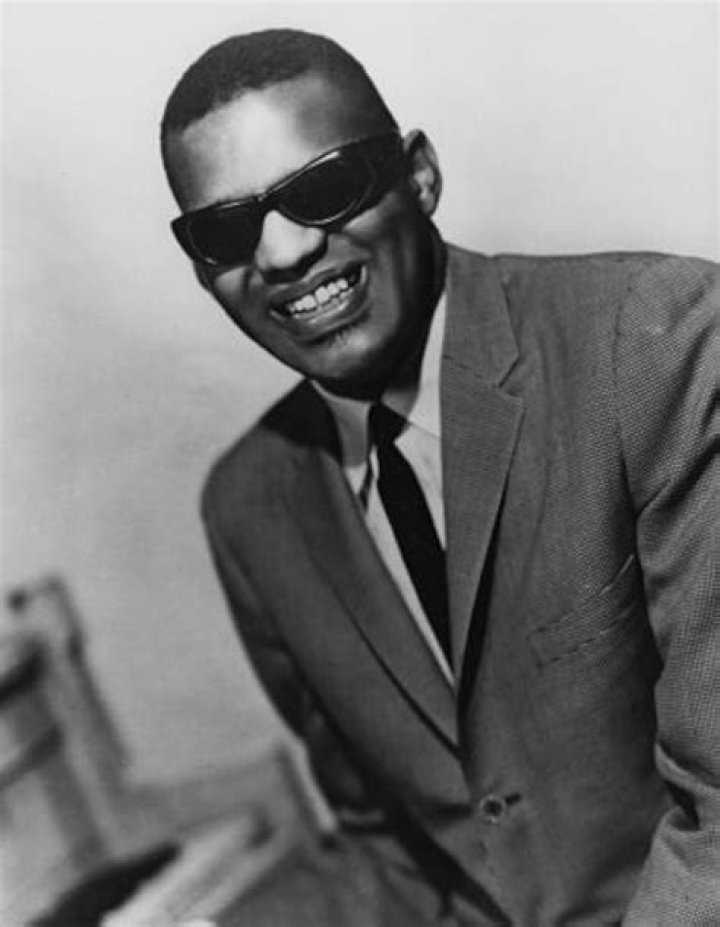
Ray Charles, an iconic figure in the music industry, has left an indelible mark on the world of rhythm and blues, jazz, soul, and country music. His unique style and powerful voice have earned him a place in music history as one of the greatest artists of all time. Known for his ability to blend different genres, Ray Charles became a trailblazer in the music scene, influencing countless musicians who followed in his footsteps.
Born on September 23, 1930, in Albany, Georgia, Ray Charles Robinson, later known simply as Ray Charles, rose from humble beginnings to become a global sensation. Despite losing his sight at a young age, he overcame adversity and used his extraordinary talent to redefine the sound of American music. His contributions to the music industry earned him numerous accolades, including 12 Grammy Awards and induction into the Rock and Roll Hall of Fame.
This article will delve into the life, career, and legacy of Ray Charles, exploring his impact on music, culture, and society. By understanding his journey, we can appreciate the depth of his influence and the barriers he broke down during his lifetime. Whether you're a fan of his music or simply curious about his story, this article will provide a comprehensive look into the life of this legendary musician.
Biography of Ray Charles
Ray Charles, whose full name was Ray Charles Robinson, was an American singer, songwriter, and pianist who became one of the most influential musicians in history. His career spanned over five decades, during which he released numerous hit songs and albums that continue to resonate with audiences worldwide. Below is a summary of his personal and professional life:
Ray Charles Biodata
| Full Name | Ray Charles Robinson |
|---|---|
| Birth Date | September 23, 1930 |
| Birth Place | Albany, Georgia, USA |
| Profession | Singer, Songwriter, Pianist |
| Genre | R&B, Jazz, Blues, Soul, Country |
| Years Active | 1947–2004 |
| Spouse | Della Beatrice Howard Robinson |
| Children | 12 children |
| Death Date | June 10, 2004 |
| Death Place | Beverly Hills, California, USA |
Early Life and Education
Ray Charles was born into a poor family in Albany, Georgia. His childhood was marked by hardship, but it also shaped his determination to succeed. At the age of five, he began losing his sight due to glaucoma, and by the age of seven, he was completely blind. Despite this challenge, Ray Charles attended the Florida School for the Deaf and Blind, where he learned to play various musical instruments, including the piano, saxophone, and trumpet.
During his time at the school, Ray Charles developed a passion for music and began composing his own songs. His early exposure to different genres, such as blues, jazz, and gospel, laid the foundation for his unique musical style. After leaving school at the age of 15, he moved to Jacksonville, Florida, where he began performing in local clubs and developing his career as a musician.
Musical Career
Ray Charles' musical career took off in the late 1940s and early 1950s when he signed with Atlantic Records. This period marked the beginning of his rise to fame, as he released a string of hit songs that combined elements of R&B, gospel, and blues. Some of his most famous tracks during this time include "I Got a Woman," "What'd I Say," and "Hit the Road Jack."
Ray Charles' Signature Style
What set Ray Charles apart from other musicians was his ability to blend different genres seamlessly. He incorporated gospel-inspired vocals, bluesy piano riffs, and soulful arrangements into his music, creating a sound that was both innovative and timeless. His signature style influenced countless artists across various genres, earning him the nickname "The Genius."
Key Achievements
Throughout his career, Ray Charles received numerous accolades for his contributions to music. In addition to winning 12 Grammy Awards, he was honored with a Lifetime Achievement Award by the Recording Academy in 1987. He was also inducted into the Rock and Roll Hall of Fame in 1986 and the Blues Hall of Fame in 2013.
Beyond his musical achievements, Ray Charles was a trailblazer in breaking racial barriers in the music industry. He refused to perform in segregated venues and advocated for civil rights, using his platform to promote equality and justice. His activism and dedication to social causes further solidified his legacy as a cultural icon.
Impact on Music Industry
The influence of Ray Charles on the music industry cannot be overstated. He helped shape the sound of R&B and soul music, paving the way for future artists like Aretha Franklin, Stevie Wonder, and Otis Redding. His ability to cross genre boundaries inspired countless musicians to experiment with new sounds and styles.
Ray Charles' Legacy in Modern Music
Today, Ray Charles is remembered not only for his groundbreaking music but also for his role in shaping the cultural landscape of America. His influence can be heard in the works of contemporary artists across various genres, from pop to hip-hop. By breaking down barriers and pushing the boundaries of musical expression, Ray Charles left an indelible mark on the world of music.
Ray Charles Legacy
The legacy of Ray Charles extends far beyond his music. He was a pioneer in the music industry, breaking racial barriers and advocating for civil rights. His commitment to excellence and innovation inspired generations of musicians to follow in his footsteps. Through his music, he touched the lives of millions, leaving behind a rich legacy that continues to inspire and influence today.
Quotes About Ray Charles
- "Ray Charles was the true genius of American music." – Quincy Jones
- "He was the greatest musician that ever lived." – Elton John
- "Ray Charles was a force of nature." – B.B. King
Personal Life
Ray Charles' personal life was as colorful as his music. He married Della Beatrice Howard Robinson in 1951, and the couple had three children together. However, their marriage ended in divorce in 1952. Ray Charles went on to have relationships with other women and fathered a total of 12 children.
In addition to his personal relationships, Ray Charles battled addiction throughout his life. He struggled with drug abuse in the 1960s but eventually overcame his addiction and became an advocate for recovery. His journey to sobriety further demonstrated his resilience and determination to overcome adversity.
Discography
Ray Charles released numerous albums and singles throughout his career, many of which became timeless classics. Some of his most notable works include:
- "What'd I Say" (1959)
- "Hit the Road Jack" (1961)
- "Georgia on My Mind" (1960)
- "I Can't Stop Loving You" (1962)
- "America the Beautiful" (1972)
Challenges Faced
Despite his success, Ray Charles faced numerous challenges throughout his life. From losing his sight at a young age to battling addiction, he overcame significant obstacles to achieve his dreams. His resilience and determination to succeed despite adversity serve as an inspiration to millions around the world.
How Ray Charles Overcame Challenges
Ray Charles' ability to persevere through difficult times was fueled by his passion for music and his unwavering commitment to his craft. He once said, "I don't care too much about money. I just want to be happy. And making music makes me happy." This philosophy guided him through the toughest moments of his life and allowed him to achieve greatness.
Conclusion
Ray Charles was a musical legend whose contributions to the world of music continue to resonate with audiences today. From his humble beginnings in Georgia to his rise as a global sensation, he broke down barriers and redefined the sound of American music. His legacy as a musician, activist, and cultural icon endures, inspiring countless individuals to pursue their passions and overcome adversity.
We invite you to share your thoughts and reflections on Ray Charles' life and music in the comments below. Additionally, feel free to explore other articles on our site to learn more about the fascinating world of music and its impact on society.
Source References: