
Why Are My Fingernails Ridged? Causes, Treatments, and Prevention
By Matthew Harrington
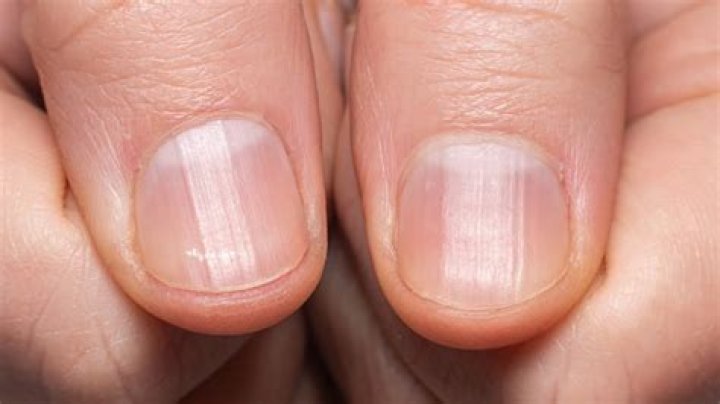
Have you ever noticed ridges on your fingernails and wondered why they are there? Fingernail ridges can be a source of concern for many people, especially when they suddenly appear or become more pronounced. Understanding the reasons behind these ridges is crucial to maintaining healthy nails and overall well-being.
Fingernail ridges can occur due to a variety of factors, ranging from natural aging processes to underlying health conditions. In this article, we will explore the causes, symptoms, and treatment options for ridged fingernails, as well as steps you can take to prevent them from worsening. Whether you're dealing with vertical ridges, horizontal ridges, or other nail abnormalities, this guide will provide you with the information you need.
Our goal is to help you better understand why your fingernails have ridges and what you can do to address them. By the end of this article, you'll have a comprehensive understanding of the issue and actionable tips to keep your nails healthy and strong.
Understanding Fingernail Health
Fingernails are an essential part of our anatomy, serving as protective barriers for the fingertips while also providing insight into our overall health. Healthy nails are smooth, pinkish in color, and free of ridges, discoloration, or other abnormalities. However, when ridges appear, it can signal an underlying issue that requires attention.
How Fingernails Grow
Fingernails grow from the matrix, a hidden area beneath the cuticle. The matrix is responsible for producing new nail cells, which push older cells forward as they harden and form the visible nail plate. Any disruption in this process can lead to changes in nail texture, such as the development of ridges.
Factors such as genetics, age, and environmental influences play a significant role in nail growth and appearance. While some ridges are harmless and a natural part of aging, others may indicate a more serious health concern.
What Causes Fingernail Ridges?
There are several reasons why your fingernails may develop ridges. These can include:
- Aging: As we age, our nails naturally become thinner and more prone to ridges.
- Nutritional deficiencies: Lack of essential vitamins and minerals can affect nail health.
- Medical conditions: Certain diseases, such as psoriasis or thyroid disorders, can cause nail ridges.
- Trauma: Injury to the nail bed can result in ridges as the nail grows.
- Environmental factors: Exposure to harsh chemicals or frequent hand washing can damage nails.
Understanding the root cause of your fingernail ridges is essential for determining the appropriate course of action.
Genetic Factors
Some people are genetically predisposed to developing fingernail ridges. If your parents or other family members have ridged nails, it's likely that you may experience the same condition. While genetic ridges are typically harmless, they can still be addressed through proper nail care and treatment.
Types of Fingernail Ridges
There are two main types of fingernail ridges: vertical ridges and horizontal ridges. Each type has distinct characteristics and potential causes.
Vertical Ridges
Vertical ridges run from the base of the nail to the tip and are often a normal part of the aging process. They may become more pronounced as we grow older but are generally harmless. However, if the ridges are accompanied by other symptoms, such as discoloration or pain, it may indicate an underlying issue.
Horizontal Ridges
Horizontal ridges, also known as Beau's lines, are grooves that run across the nail bed. These ridges can be caused by trauma, illness, or nutritional deficiencies. Unlike vertical ridges, horizontal ridges may require medical attention to determine the underlying cause.
Symptoms of Fingernail Ridges
In addition to the visible ridges, you may notice other symptoms that accompany nail abnormalities. These can include:
- Discoloration: Yellowing, whitening, or discoloration of the nails.
- Brittleness: Nails that break or split easily.
- Thickening: Nails that become thicker or harder than usual.
- Pain or discomfort: Sensitivity or pain in the nail bed.
If you experience any of these symptoms, it's important to consult a healthcare professional for a proper diagnosis.
When to See a Doctor
While many fingernail ridges are harmless, some may indicate a more serious health condition. If you notice sudden changes in your nails, such as severe discoloration, pain, or swelling, it's best to seek medical advice. Early diagnosis and treatment can prevent further complications and ensure optimal nail health.
Diagnosing the Underlying Cause
To determine the cause of your fingernail ridges, a healthcare professional may perform a physical examination and review your medical history. In some cases, additional tests may be necessary, such as:
- Blood tests: To check for nutritional deficiencies or underlying health conditions.
- Nail biopsy: To examine the nail tissue for signs of infection or disease.
- Imaging tests: To evaluate the nail bed and surrounding structures.
Once the underlying cause is identified, your doctor can recommend an appropriate treatment plan to address the issue.
Importance of Early Diagnosis
Early diagnosis is crucial for preventing further damage to your nails and overall health. By addressing the root cause of your fingernail ridges, you can take proactive steps to improve your nail health and prevent future complications.
Treatment Options for Fingernail Ridges
Treatment for fingernail ridges depends on the underlying cause. In some cases, simple lifestyle changes and nail care practices can make a significant difference. Other cases may require medical intervention or prescription treatments.
Home Remedies
If your fingernail ridges are caused by environmental factors or minor trauma, you can try the following home remedies:
- Moisturize your nails regularly with a quality cuticle oil or cream.
- Avoid exposure to harsh chemicals and wear gloves when cleaning.
- Keep your nails clean and trimmed to prevent further damage.
Medical Treatments
For more severe cases, your doctor may recommend:
- Vitamin supplements to address nutritional deficiencies.
- Topical treatments to strengthen and protect the nails.
- Medications to treat underlying health conditions.
Preventing Fingernail Ridges
While some causes of fingernail ridges, such as aging, are unavoidable, there are steps you can take to prevent or minimize their appearance:
- Maintain a balanced diet rich in vitamins and minerals.
- Stay hydrated to keep your nails strong and flexible.
- Protect your nails from environmental damage by wearing gloves and using gentle products.
- Avoid biting or picking at your nails.
By adopting these preventive measures, you can promote healthy nail growth and reduce the likelihood of developing ridges.
Proper Nail Care Routine
A consistent nail care routine is key to maintaining healthy nails. This includes regular cleaning, moisturizing, and trimming. Additionally, avoiding practices that can damage your nails, such as using them as tools or exposing them to harsh chemicals, can help prevent ridges from forming.
The Role of Nutrition in Nail Health
Nutrition plays a vital role in nail health. A diet rich in vitamins and minerals, such as biotin, zinc, and vitamin E, can support strong, healthy nails. Conversely, deficiencies in these nutrients can lead to weak, brittle nails and the development of ridges.
Essential Nutrients for Nail Health
Some of the most important nutrients for maintaining healthy nails include:
- Biotin: Promotes nail strength and prevents brittleness.
- Zinc: Supports nail growth and repair.
- Vitamin E: Protects nails from oxidative stress and damage.
Incorporating these nutrients into your diet can help improve the appearance and health of your nails.
Health Conditions Linked to Nail Ridges
Certain health conditions are associated with the development of fingernail ridges. These include:
- Psoriasis: A chronic autoimmune condition that can affect the nails.
- Thyroid disorders: Both hyperthyroidism and hypothyroidism can cause nail changes.
- Iron deficiency anemia: A lack of iron can lead to weak, ridged nails.
If you suspect that a health condition is contributing to your fingernail ridges, consult your healthcare provider for a thorough evaluation.
Managing Underlying Health Conditions
Managing any underlying health conditions is essential for improving nail health. By working closely with your healthcare provider, you can develop a treatment plan that addresses both your overall health and the appearance of your nails.
Conclusion: Taking Control of Your Nail Health
Fingernail ridges can be a sign of various factors, ranging from natural aging to underlying health conditions. By understanding the causes, symptoms, and treatment options for ridged nails, you can take proactive steps to maintain healthy, strong nails.
We encourage you to share your thoughts and experiences in the comments section below. Additionally, feel free to explore other articles on our website for more information on nail care and overall health. Together, we can promote a healthier, happier you!


