
Why Do Bananas Turn Brown in the Refrigerator: A Comprehensive Guide
By Michael Gray
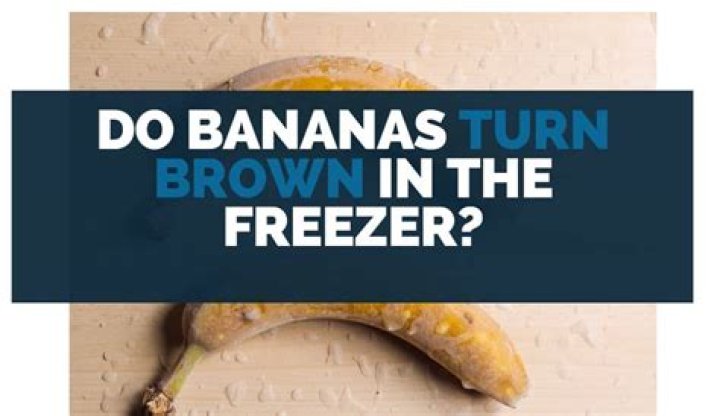
Have you ever wondered why bananas turn brown in the refrigerator? Many people store bananas in the fridge to extend their shelf life, but they often end up with disappointing results. The browning process is a natural reaction that happens due to specific environmental conditions. Understanding why this occurs can help you make better decisions about storing bananas and maintaining their freshness.
Storing fruits properly is crucial, especially if you want to preserve their quality and nutritional value. While refrigeration works well for some fruits, bananas respond differently to cold temperatures. This article will explore the science behind why bananas turn brown in the refrigerator and provide practical tips to prevent it from happening.
By the end of this guide, you'll have a thorough understanding of the factors contributing to banana browning, along with actionable advice on how to store bananas effectively. Let’s dive in!
The Science Behind Banana Browning
Bananas turning brown in the refrigerator is a common phenomenon that many people encounter. The primary reason lies in the way bananas respond to cold temperatures. When exposed to temperatures below 12°C (54°F), bananas experience what is known as "cold damage." This damage affects the cellular structure of the fruit, leading to the browning of the peel.
Factors Contributing to Browning
Several factors contribute to the browning process:
- Temperature fluctuations: Rapid changes in temperature can cause stress to the banana cells, leading to browning.
- Cell wall damage: Cold temperatures disrupt the integrity of the cell walls, causing them to break down and release enzymes that promote browning.
- Oxidation: Exposure to oxygen accelerates the oxidation process, turning the peel brown.
Understanding these factors can help you take preventive measures to keep your bananas fresh and appealing.
Understanding Cold Damage in Bananas
Cold damage occurs when bananas are stored at temperatures that are too low for their tropical nature. Bananas are tropical fruits and thrive in warm environments. When subjected to cold temperatures, their cellular structure undergoes significant changes, leading to undesirable outcomes such as browning.
Symptoms of Cold Damage
Here are some common symptoms of cold damage in bananas:
- Darkening of the peel
- Softening of the fruit
- Loss of flavor
- Increased susceptibility to spoilage
Recognizing these symptoms early can help you address the issue and prevent further damage.
Chemical Processes Involved
When bananas are exposed to cold temperatures, certain chemical processes are triggered, leading to browning. One of the key processes is the activation of polyphenol oxidase (PPO), an enzyme that reacts with phenolic compounds in the banana. This reaction produces brown pigments, resulting in the discoloration of the peel.
Role of Enzymes
Enzymes play a crucial role in the browning process:
- Polyphenol oxidase (PPO) catalyzes the oxidation of phenolic compounds, causing browning.
- Peroxidase enzymes also contribute to the browning process by breaking down hydrogen peroxide and oxidizing phenolic substrates.
By controlling the activity of these enzymes, you can slow down the browning process and preserve the quality of your bananas.
Optimal Storage Temperature for Bananas
The ideal storage temperature for bananas is between 12°C and 15°C (54°F to 59°F). At these temperatures, bananas can remain fresh for several days without experiencing cold damage. Storing bananas at room temperature is generally recommended, as it allows them to ripen naturally and maintain their flavor and texture.
How Temperature Affects Ripening
Temperature plays a significant role in the ripening process of bananas:
- Higher temperatures accelerate ripening, leading to faster softening and sweetening.
- Lower temperatures slow down ripening but can cause cold damage if the temperature drops below 12°C.
Finding the right balance is essential for preserving the quality of your bananas.
Effects of Refrigeration on Bananas
Refrigeration can have both positive and negative effects on bananas. While it can slow down the ripening process, it can also cause cold damage, leading to browning and reduced flavor. The moisture inside the refrigerator can also promote the growth of mold, further compromising the quality of the fruit.
When Is Refrigeration Beneficial?
Refrigeration may be beneficial in certain situations:
- When bananas are already ripe and you want to extend their shelf life.
- When you need to slow down the ripening process temporarily.
However, it's important to weigh the pros and cons before deciding to refrigerate your bananas.
Tips to Prevent Bananas from Turning Brown
Preventing bananas from turning brown in the refrigerator requires a combination of proper storage techniques and careful handling. Here are some practical tips:
- Store bananas at room temperature: Keep them away from direct sunlight and heat sources.
- Separate bananas: If you notice any bananas starting to brown, separate them from the bunch to prevent further damage.
- Use plastic wrap: Cover the stem of the bananas with plastic wrap to slow down the ripening process.
- Freeze bananas: If you don't plan to eat them soon, consider freezing them for later use in smoothies or baking.
Implementing these tips can help you keep your bananas fresh and delicious for longer.
Alternative Storage Methods
Aside from refrigeration, there are several alternative storage methods you can try:
- Paper bags: Placing bananas in a paper bag can help regulate humidity and prevent excessive moisture buildup.
- Hanging banana hanger: Using a banana hanger can improve air circulation and reduce the risk of bruising.
- Freezing: Freezing bananas is an excellent option if you want to preserve them for an extended period.
Experiment with different methods to find what works best for you and your lifestyle.
Health Benefits of Bananas
Bananas are not only delicious but also packed with essential nutrients that promote good health. They are rich in potassium, vitamin C, fiber, and antioxidants, making them an excellent choice for a healthy diet. Consuming bananas regularly can help:
- Support heart health
- Improve digestion
- Boost energy levels
- Enhance mood
By storing bananas properly, you can ensure that they retain their nutritional value and provide maximum health benefits.
Common Myths About Banana Storage
There are several myths surrounding banana storage that can lead to confusion. Here are some common ones:
- Myth: Refrigeration is always bad for bananas. While refrigeration can cause cold damage, it may be beneficial in certain situations, such as when bananas are already ripe.
- Myth: Bananas should always be stored in a bunch. Separating bananas can actually help slow down the ripening process and prevent browning.
- Myth: Bananas can last indefinitely in the refrigerator. Prolonged refrigeration can lead to cold damage and spoilage.
Dispelling these myths can help you make more informed decisions about storing bananas.
Conclusion and Final Thoughts
In conclusion, understanding why bananas turn brown in the refrigerator is essential for maintaining their quality and freshness. By following the tips and techniques outlined in this guide, you can prevent browning and enjoy your bananas at their best. Remember to store bananas at the optimal temperature, separate them when necessary, and consider alternative storage methods if needed.
We invite you to share your thoughts and experiences in the comments section below. Have you encountered issues with banana browning? What methods have worked for you? Additionally, feel free to explore other articles on our site for more insights into fruit storage and nutrition.
References:
- United States Department of Agriculture (USDA). (2022). Storage Guidelines for Fresh Produce.
- Food and Agriculture Organization (FAO). (2021). Postharvest Handling of Fruits and Vegetables.
- Journal of Food Science. (2020). Effects of Temperature on Banana Ripening and Quality.


