
Why Fiber for Dogs is Essential for Their Health and Wellbeing
By Sophia Edwards
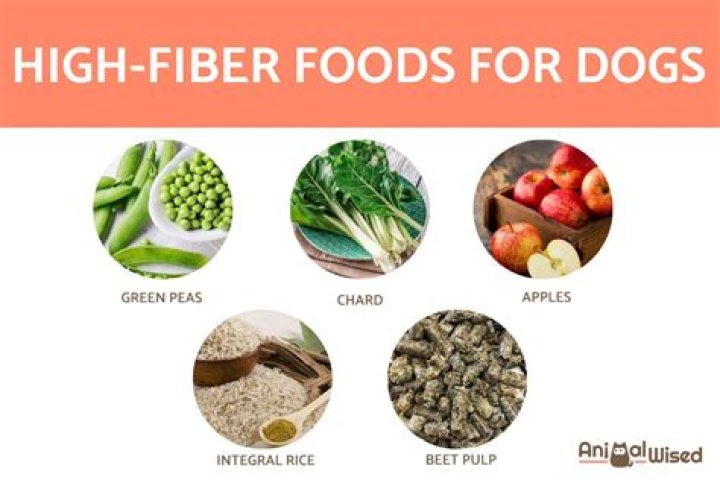
When it comes to maintaining a healthy diet for our dogs, fiber often gets overlooked. However, fiber plays a crucial role in a dog's digestive health and overall wellbeing. Understanding the importance of fiber for dogs can help pet owners make informed dietary choices for their furry companions.
Many pet owners are unaware of the benefits fiber brings to their dogs' diets. Fiber is not just a filler; it is a vital nutrient that supports digestion, aids in weight management, and promotes long-term health. In this article, we will explore the significance of fiber for dogs and why it should be included in their daily nutrition.
Whether your dog is experiencing digestive issues or you're simply looking to improve their overall health, fiber is an essential component. This comprehensive guide will cover everything you need to know about fiber for dogs, including its benefits, sources, and how to incorporate it into your pet's diet effectively.
Understanding Fiber for Dogs
Fiber is a type of carbohydrate that cannot be fully digested by dogs. Unlike other carbs, fiber provides numerous health benefits without contributing significantly to calorie intake. It is classified into two main types: soluble and insoluble fiber, each offering unique advantages for your dog's health.
Types of Fiber and Their Benefits
- Soluble Fiber: This type of fiber dissolves in water and forms a gel-like substance in the digestive tract. It helps regulate blood sugar levels and supports the growth of beneficial gut bacteria.
- Insoluble Fiber: This type adds bulk to the stool and promotes regular bowel movements, helping prevent constipation and other digestive issues.
Both types of fiber are essential for maintaining a healthy digestive system in dogs. Including a balance of both soluble and insoluble fiber in your dog's diet can provide comprehensive health benefits.
Why is Fiber Important for Dogs?
Fiber plays a critical role in a dog's digestive health. It helps regulate digestion, supports weight management, and enhances overall health. Below are some key reasons why fiber is important for dogs:
- Improves digestion and nutrient absorption.
- Prevents constipation and diarrhea.
- Supports the growth of beneficial gut bacteria.
- Aids in weight management by promoting a feeling of fullness.
By incorporating fiber into your dog's diet, you can help prevent common digestive issues and ensure they maintain a healthy weight.
Sources of Fiber for Dogs
There are various natural and commercial sources of fiber that can be included in your dog's diet. Here are some of the best sources:
Natural Sources of Fiber
- Pumpkin: Rich in soluble fiber and moisture, pumpkin is an excellent choice for dogs with digestive issues.
- Green Beans: These are low in calories and high in fiber, making them ideal for weight management.
- Apples: A great source of soluble fiber, apples can be given as a healthy treat.
- Oatmeal: Cooked oatmeal is an excellent source of soluble fiber and can be added to your dog's meals.
Commercial Sources of Fiber
Pet food manufacturers offer a variety of fiber-rich dog foods and supplements. Look for products specifically formulated to support digestive health and weight management. Always consult with your veterinarian before making any dietary changes.
How Much Fiber Should Dogs Consume?
The amount of fiber a dog needs depends on factors such as age, size, breed, and overall health. As a general guideline, fiber should make up about 2-4% of a dog's daily diet. However, dogs with specific health conditions may require more or less fiber. Consulting with a veterinarian is the best way to determine the appropriate fiber intake for your dog.
Signs Your Dog Needs More Fiber
There are several signs that may indicate your dog needs more fiber in their diet. These include:
- Constipation or irregular bowel movements.
- Diarrhea or soft stools.
- Obesity or difficulty maintaining a healthy weight.
- Chronic digestive issues such as bloating or gas.
If your dog exhibits any of these symptoms, consider adding more fiber to their diet. However, always consult with your veterinarian to rule out other underlying health issues.
Health Benefits of Fiber for Dogs
Adding fiber to your dog's diet can provide numerous health benefits. Here are some of the most significant advantages:
Improved Digestive Health
Fiber helps regulate digestion by promoting regular bowel movements and preventing constipation and diarrhea. It also supports the growth of beneficial gut bacteria, which is essential for a healthy digestive system.
Weight Management
Fiber aids in weight management by promoting a feeling of fullness and reducing calorie intake. This is particularly beneficial for dogs that are overweight or prone to obesity.
Reduced Risk of Chronic Diseases
A diet rich in fiber can help reduce the risk of chronic diseases such as diabetes, heart disease, and certain types of cancer. Fiber supports overall health and enhances the immune system.
Potential Risks of Excessive Fiber Intake
While fiber is essential for a dog's health, excessive intake can lead to certain risks. These include:
- Nutrient malabsorption: Excessive fiber can interfere with the absorption of essential nutrients such as calcium, phosphorus, and zinc.
- Gas and bloating: Too much fiber can cause gas and bloating, leading to discomfort for your dog.
- Diarrhea: Overloading on fiber can result in loose stools and diarrhea.
It is important to strike a balance and ensure your dog receives the appropriate amount of fiber for their individual needs.
Tips for Incorporating Fiber into Your Dog's Diet
Here are some practical tips for adding fiber to your dog's diet:
- Start with small amounts and gradually increase over time to avoid digestive upset.
- Choose high-quality, fiber-rich foods or supplements specifically formulated for dogs.
- Monitor your dog's response to fiber and adjust the amount as needed.
- Consult with your veterinarian to determine the best fiber sources and amounts for your dog's specific needs.
By following these tips, you can safely and effectively incorporate fiber into your dog's diet.
Expert Advice on Fiber for Dogs
According to Dr. Sarah Thompson, a veterinary nutritionist, "Fiber is an essential component of a dog's diet that supports digestive health and overall wellbeing. By incorporating fiber-rich foods and supplements, pet owners can help prevent common digestive issues and ensure their dogs maintain a healthy weight."
Dr. Thompson also emphasizes the importance of consulting with a veterinarian before making any significant dietary changes. "Each dog is unique, and their nutritional needs can vary based on age, breed, and health status. A veterinarian can provide personalized recommendations to ensure your dog receives the appropriate amount of fiber."
Conclusion
Incorporating fiber into your dog's diet is crucial for maintaining their digestive health and overall wellbeing. By understanding the benefits of fiber, recognizing the signs of fiber deficiency, and choosing the right sources, you can ensure your dog receives the nutrients they need for a long and healthy life.
We encourage you to share this article with fellow pet owners and leave a comment below if you have any questions or insights about fiber for dogs. Don't forget to explore our other articles on pet health and nutrition for more valuable information.


