
Why Is the Book of Enoch Not in the Bible? A Comprehensive Exploration
By Mia Phillips
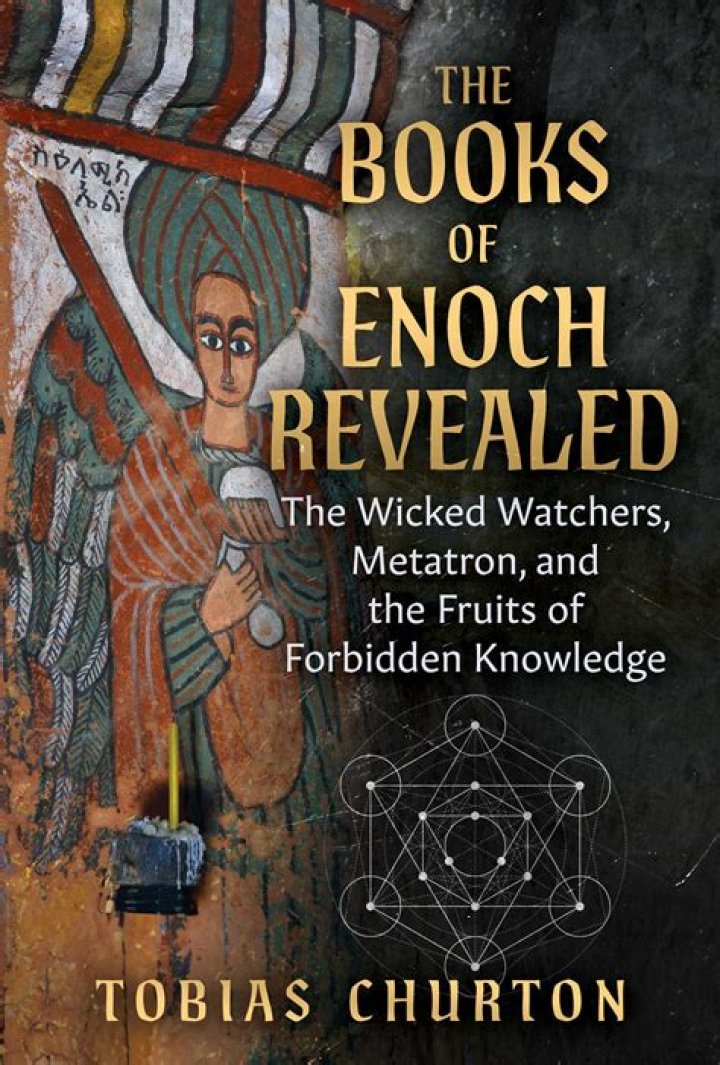
For centuries, the Book of Enoch has sparked debate and curiosity among theologians, historians, and religious scholars. Although it holds significant historical and theological importance, the question remains: why is the Book of Enoch not included in the Bible? This article delves into the reasons behind its exclusion and its impact on religious traditions.
The Book of Enoch, a fascinating ancient text, provides deep insights into early Jewish and Christian thought. However, its exclusion from the Bible remains a subject of intense discussion. By understanding the historical and theological factors surrounding this decision, we gain a better appreciation of the complexities involved in forming the biblical canon.
As we explore the reasons why the Book of Enoch is not part of the Bible, we will examine its content, historical significance, and the criteria used to determine which texts belong in the canonical scriptures. This article aims to shed light on these issues while maintaining an objective and informed perspective.
The History of the Book of Enoch
The Book of Enoch, also known as 1 Enoch, is an ancient Jewish religious work traditionally attributed to the prophet Enoch, the great-grandfather of Noah. This text dates back to the early centuries BCE and provides a unique perspective on early Jewish eschatology and angelology. Its discovery in the Dead Sea Scrolls and Ethiopian manuscripts underscores its historical significance.
Despite its ancient origins, the Book of Enoch was not universally accepted by Jewish and Christian communities. Over time, it became marginalized and eventually excluded from the canonical scriptures. The reasons for this exclusion are multifaceted and involve theological, historical, and political considerations.
Historical Context of the Book of Enoch
During the Second Temple period, the Book of Enoch was widely read and respected by Jewish communities. It influenced early Christian writings and is even cited in the New Testament book of Jude. However, as the Jewish and Christian canons developed, the Book of Enoch gradually lost its prominence.
What Does the Book of Enoch Contain?
The Book of Enoch is a rich and complex text that explores various themes, including the nature of angels, the fate of humanity, and the coming judgment. It is divided into five main sections: the Book of the Watchers, the Book of Parables, the Astronomical Book, the Book of Dream Visions, and the Epistle of Enoch.
Each section offers unique insights into the spiritual and cosmic dimensions of existence, making the Book of Enoch a valuable resource for understanding early religious thought. However, its unconventional teachings and controversial content contributed to its exclusion from the Bible.
Key Themes in the Book of Enoch
- The fall of the Watchers and their interactions with humanity.
- Prophecies about the end times and the coming of the Messiah.
- Descriptions of heavenly realms and celestial phenomena.
- Guidance on righteousness and moral conduct.
The Process of Canonization
The process of canonization, or determining which texts belong in the Bible, was a complex and lengthy endeavor. Both Jewish and Christian communities carefully evaluated various texts based on specific criteria, such as authorship, theological consistency, and historical authenticity.
For the Book of Enoch, its exclusion from the Bible was influenced by its perceived lack of divine authority and its association with apocryphal literature. Understanding the canonization process helps explain why certain texts, like the Book of Enoch, were left out of the Bible.
Steps in the Canonization Process
The canonization process involved several key steps:
- Identification of authoritative texts.
- Evaluation of theological compatibility.
- Consensus among religious leaders and communities.
Criteria for Biblical Inclusion
To be included in the Bible, a text had to meet specific criteria. These criteria included authorship by a recognized prophet or apostle, alignment with established theological principles, and widespread acceptance by the religious community.
The Book of Enoch failed to meet some of these criteria, particularly in terms of authorship and theological consistency. Its association with apocalyptic literature and its controversial teachings further complicated its inclusion in the biblical canon.
Key Criteria for Biblical Inclusion
- Authorship by a recognized religious figure.
- Alignment with established theological doctrines.
- Widespread acceptance by the religious community.
Why Is the Book of Enoch Not in the Bible?
The exclusion of the Book of Enoch from the Bible can be attributed to several factors. First, its association with apocryphal literature raised concerns about its authenticity and reliability. Second, its unconventional teachings, such as the fall of angels and the nature of the afterlife, conflicted with established theological doctrines.
Additionally, the Book of Enoch's limited acceptance by Jewish and Christian communities further contributed to its exclusion. While it was revered by some groups, such as the Ethiopian Orthodox Church, it did not gain widespread recognition across all religious traditions.
Reasons for Exclusion
- Association with apocryphal literature.
- Unconventional theological teachings.
- Limited acceptance by religious communities.
The Book of Enoch in Judaism
In Jewish tradition, the Book of Enoch holds a unique position. While it was respected by some early Jewish communities, it was not universally accepted as part of the Hebrew Bible. Over time, its influence waned, and it became largely marginalized within mainstream Judaism.
However, the Book of Enoch continues to be studied by scholars and theologians for its historical and theological insights. Its impact on Jewish thought, particularly in the areas of angelology and eschatology, remains significant.
Historical Significance in Judaism
The Book of Enoch played a role in shaping early Jewish beliefs about angels and the afterlife. Its influence can be seen in later Jewish texts, such as the Talmud and Midrash, which incorporate elements of its teachings.
The Book of Enoch in Christianity
In Christianity, the Book of Enoch has a mixed reception. While it is cited in the New Testament book of Jude, it was not included in the Christian Bible. Some early Christian communities revered the text, but its inclusion in the biblical canon was ultimately rejected.
Today, the Book of Enoch is studied by scholars and theologians for its historical and theological significance. Its impact on early Christian thought, particularly in the areas of eschatology and angelology, remains an important area of research.
Impact on Early Christian Thought
The Book of Enoch influenced early Christian beliefs about the nature of angels, the coming judgment, and the role of the Messiah. Its teachings continue to be studied and debated by scholars and theologians.
Scholarly Perspectives on the Book of Enoch
Modern scholarship offers diverse perspectives on the Book of Enoch. Some scholars view it as a valuable resource for understanding early Jewish and Christian thought, while others question its historical and theological validity.
Regardless of these differing opinions, the Book of Enoch remains a significant text in the study of religious history. Its influence on both Jewish and Christian traditions underscores its enduring relevance.
Key Scholarly Views
- Valuable resource for understanding early religious thought.
- Controversial teachings challenge established theological doctrines.
- Ongoing debate about its historical and theological significance.
Impact of the Book of Enoch on Religious Thought
The Book of Enoch has had a lasting impact on religious thought, particularly in the areas of angelology, eschatology, and moral theology. Its teachings about the nature of angels, the coming judgment, and the importance of righteousness continue to resonate with scholars and theologians.
While its exclusion from the Bible remains a subject of debate, the Book of Enoch's influence on religious traditions cannot be denied. Its unique perspective on spiritual and cosmic dimensions offers valuable insights into early religious thought.
Enduring Relevance
The Book of Enoch continues to be studied and debated by scholars and theologians. Its impact on religious traditions, particularly in the areas of angelology and eschatology, underscores its enduring relevance in the study of religious history.
Conclusion and Final Thoughts
In conclusion, the Book of Enoch remains a fascinating and controversial text in the study of religious history. While its exclusion from the Bible can be attributed to various historical and theological factors, its influence on early Jewish and Christian thought cannot be overstated.
We invite you to explore this topic further by engaging in discussions, leaving comments, and sharing this article with others. By continuing the conversation, we deepen our understanding of the complexities surrounding the Book of Enoch and its place in religious traditions.
For further reading, consider exploring related articles on our website. Together, we can enhance our knowledge and appreciation of the rich tapestry of religious history.
Data Source: Encyclopedia Britannica, Bible Gateway


