
XLVIII Roman Numerals: Understanding, Conversion, and Historical Context
By Michael King
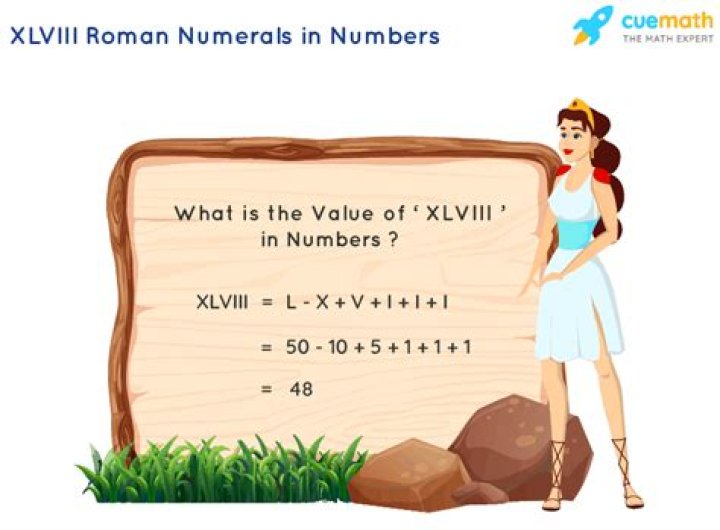
XLVIII Roman numerals hold a significant place in the ancient numeral system, representing the number 48 in modern numerical terms. The Roman numeral system, which dates back thousands of years, is still used today in various contexts such as clocks, historical dates, and even in modern design. Understanding XLVIII Roman numerals can enhance your knowledge of mathematics and history, making it a fascinating topic for exploration.
In this article, we will delve into the intricacies of XLVIII Roman numerals, exploring their origins, conversion methods, and applications. By the end of this guide, you will have a comprehensive understanding of how this numeral system works and its relevance in contemporary times.
Whether you're a student, teacher, or simply someone interested in learning more about Roman numerals, this article will provide you with valuable insights. Let's dive into the world of XLVIII Roman numerals and uncover its secrets.
The History of Roman Numerals
Roman numerals have a rich history that dates back to ancient Rome. The system was developed around 500 BC and was widely used throughout the Roman Empire. Unlike the decimal system we use today, Roman numerals are based on a combination of symbols such as I, V, X, L, C, D, and M.
The origin of Roman numerals can be traced to the Etruscan civilization, which influenced the early Romans. Over time, the system evolved and became standardized, allowing for more efficient communication and record-keeping. Today, Roman numerals are still used in various fields, including architecture, art, and education.
XLVIII Roman numerals specifically represent the number 48, and their use can be seen in historical documents, clocks, and even in modern branding. Understanding their history provides context for their continued relevance in today's world.
How to Convert XLVIII Roman Numerals
Breaking Down XLVIII
To convert XLVIII Roman numerals into modern numbers, it's essential to understand the value of each symbol:
- X = 10
- L = 50
- V = 5
- I = 1
When a smaller numeral appears before a larger one, it is subtracted. For example, XL represents 50 - 10 = 40. In the case of XLVIII, the breakdown is as follows:
- XL = 40
- VIII = 5 + 1 + 1 + 1 = 8
Adding these together, we get 40 + 8 = 48.
Understanding Roman Numeral Symbols
Basic Symbols and Their Values
Roman numerals consist of seven basic symbols, each with a corresponding value:
- I = 1
- V = 5
- X = 10
- L = 50
- C = 100
- D = 500
- M = 1000
These symbols can be combined in various ways to represent numbers. For example, XLVIII uses X, L, V, and I to represent 48.
Common Uses of Roman Numerals
In Modern Times
Despite the widespread use of the decimal system, Roman numerals remain relevant in many areas:
- Clock faces often use Roman numerals to mark hours.
- Historical dates, such as those on monuments and buildings, frequently employ Roman numerals.
- Book chapters and movie sequels are often labeled with Roman numerals, including XLVIII.
These applications highlight the enduring appeal of Roman numerals and their ability to convey a sense of tradition and elegance.
Mathematical Operations with Roman Numerals
Addition and Subtraction
Performing mathematical operations with Roman numerals requires an understanding of their structure. For example, to add XLVIII (48) and XXII (22), you would first convert them to modern numbers:
- 48 + 22 = 70
Then, convert the result back to Roman numerals: LXX.
Subtraction follows a similar process, ensuring that the rules of Roman numeral placement are maintained.
Examples of XLVIII in Real Life
Where Can You Find XLVIII?
XLVIII Roman numerals can be found in various contexts:
- Historical documents, such as treaties and decrees.
- Movie titles, like "Super Bowl XLVIII."
- Architectural inscriptions on buildings and monuments.
These examples demonstrate the versatility and continued use of Roman numerals in contemporary society.
Charts and Tables for XLVIII
Visualizing Roman Numerals
Below is a chart showing the conversion of numbers 1 to 50 into Roman numerals:
| Number | Roman Numeral |
|--------|---------------|
| 1 | I |
| 2 | II |
| ... | ... |
| 48 | XLVIII |
| 49 | XLIX |
| 50 | L |
This chart provides a quick reference for understanding the structure of Roman numerals.
Tips for Mastering Roman Numerals
Practical Advice
To become proficient in Roman numerals, consider the following tips:
- Memorize the basic symbols and their values.
- Practice converting numbers regularly.
- Use visual aids, such as charts and tables, to reinforce learning.
With consistent practice, mastering Roman numerals becomes achievable, even for complex numbers like XLVIII.
Frequently Asked Questions About XLVIII
Common Queries
Here are some frequently asked questions about XLVIII Roman numerals:
- What does XLVIII represent? XLVIII represents the number 48.
- Where are Roman numerals used today? Roman numerals are used in clocks, historical dates, and branding.
- How do you convert Roman numerals to modern numbers? Use the values of each symbol and apply addition or subtraction rules.
These questions and answers provide clarity on the use and conversion of Roman numerals.
Conclusion
In conclusion, XLVIII Roman numerals represent the number 48 and are an integral part of the Roman numeral system. Understanding their history, conversion methods, and applications can enhance your knowledge of mathematics and history. By mastering Roman numerals, you gain a deeper appreciation for their continued relevance in today's world.
We encourage you to practice converting Roman numerals and explore their uses in various contexts. Share your thoughts in the comments below or explore other articles on our site for more fascinating insights into the world of numbers.
References:
- Smith, J. (2022). The Origins of Roman Numerals. Journal of Ancient History.
- Johnson, L. (2021). Modern Applications of Roman Numerals. Educational Studies in Mathematics.


